Where young voices meet, stories unfold, and cultures connect
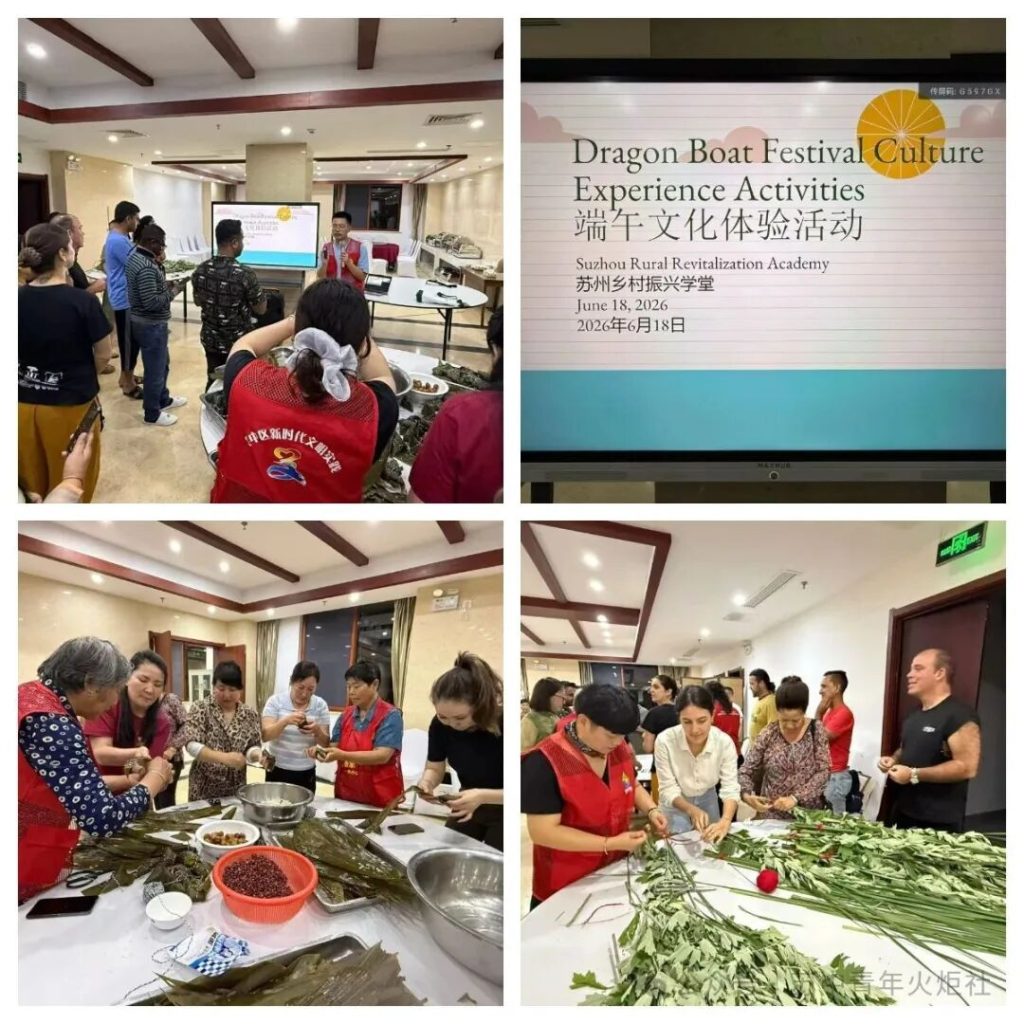
It was through that event that we, a group of strangers brought together, had our very first real interaction.
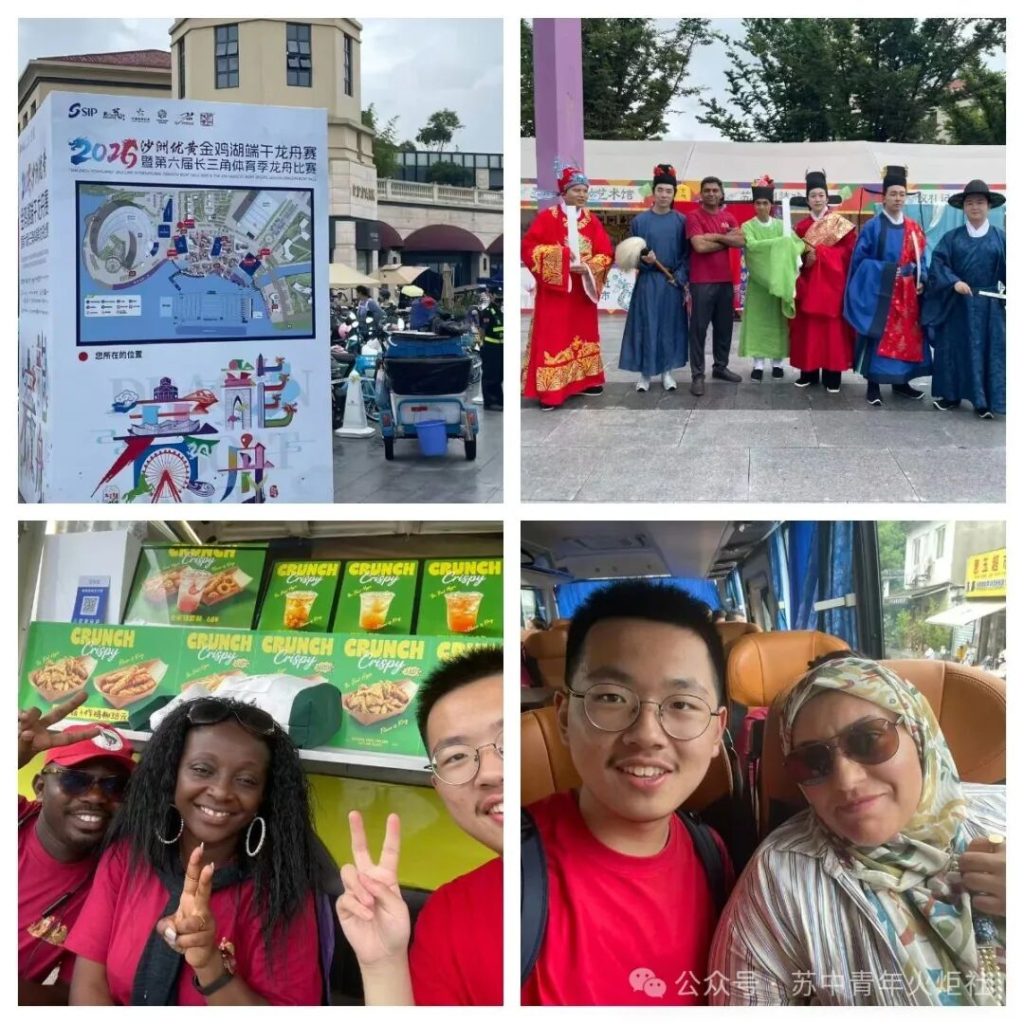
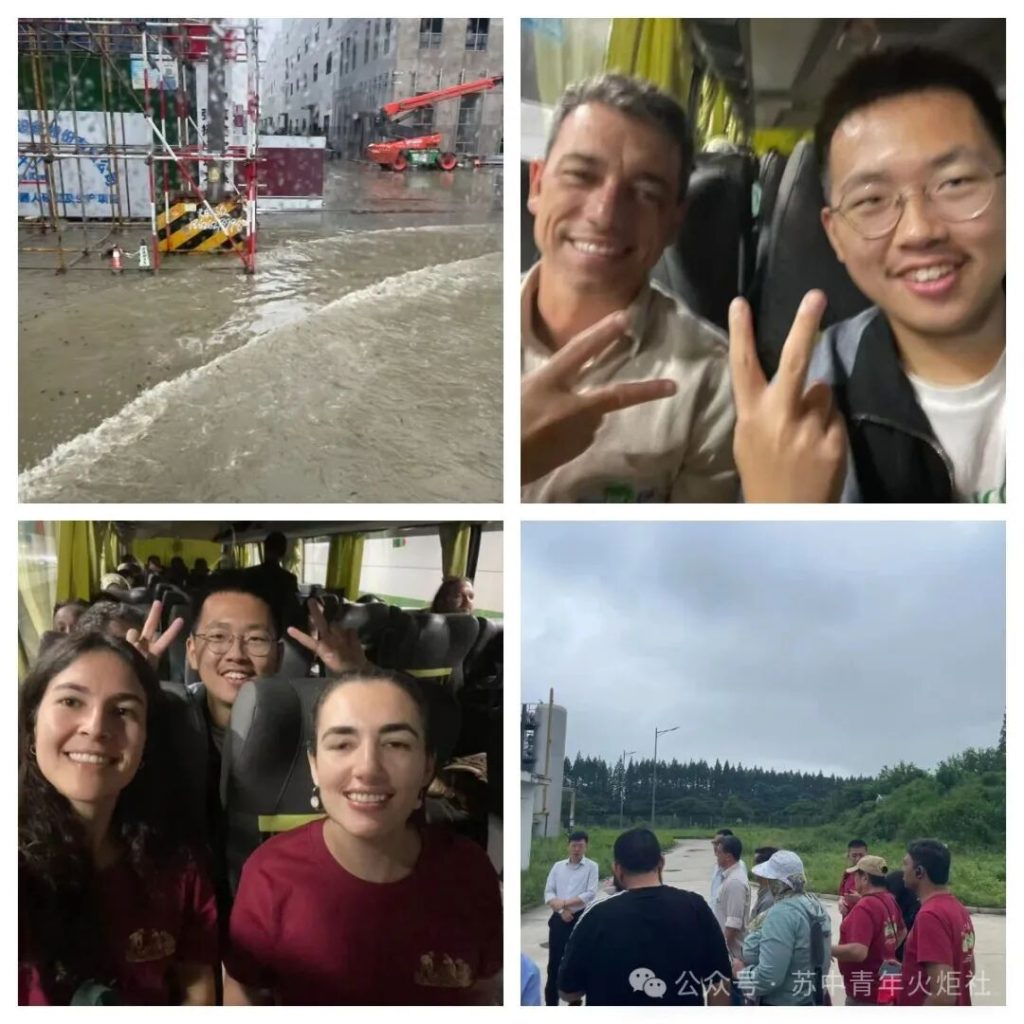
The following day during the Dragon Boat holiday, we went to Jinji Lake to watch the dragon boat races and held in-depth conversations with scholars from Ghana and Tanzania.
Inviting them to experience our culture, chatting with them by the food trucks, and comforting a mother who was on the verge of tears on the bus all left me exhausted, but also deeply fulfilled.
Throughout the journey, I simply asked her about how to learn Arabic, yet somehow, this small exchange helped the mother momentarily ease her sadness.
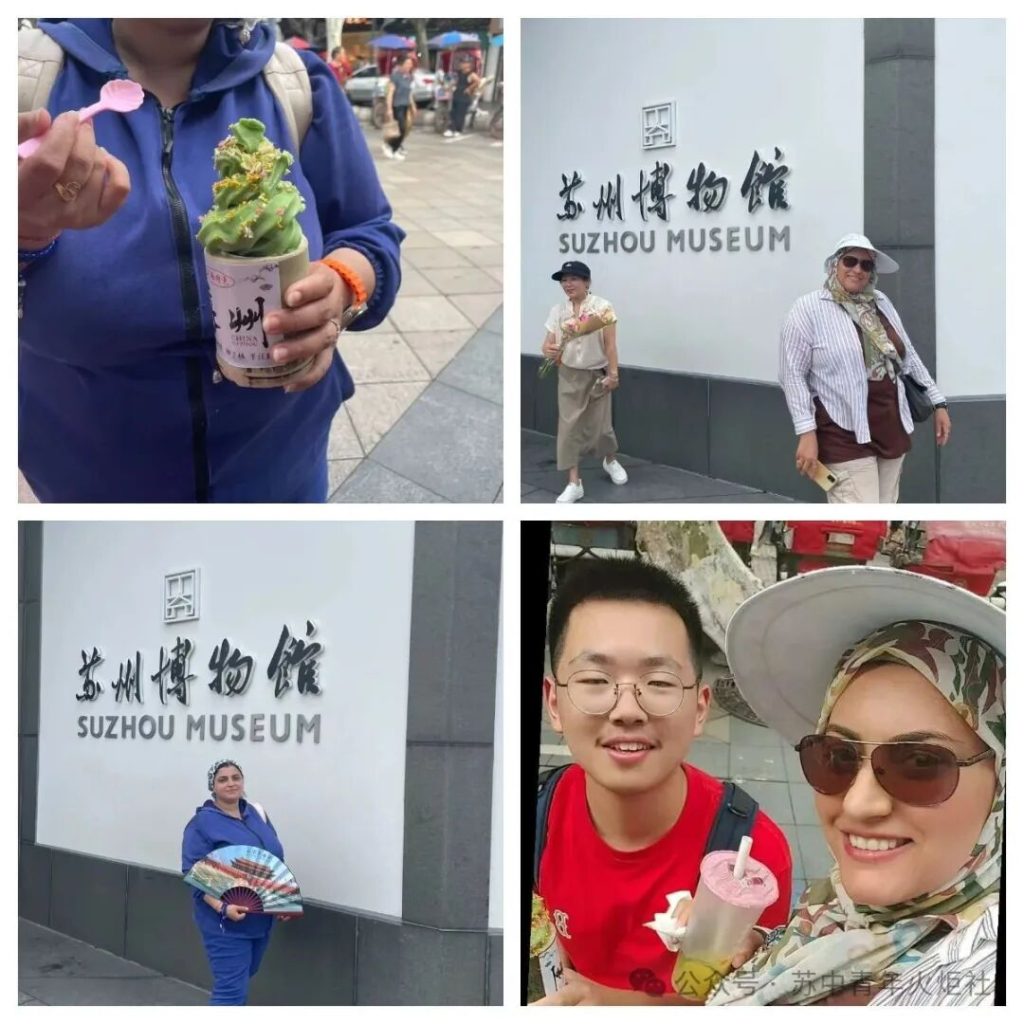
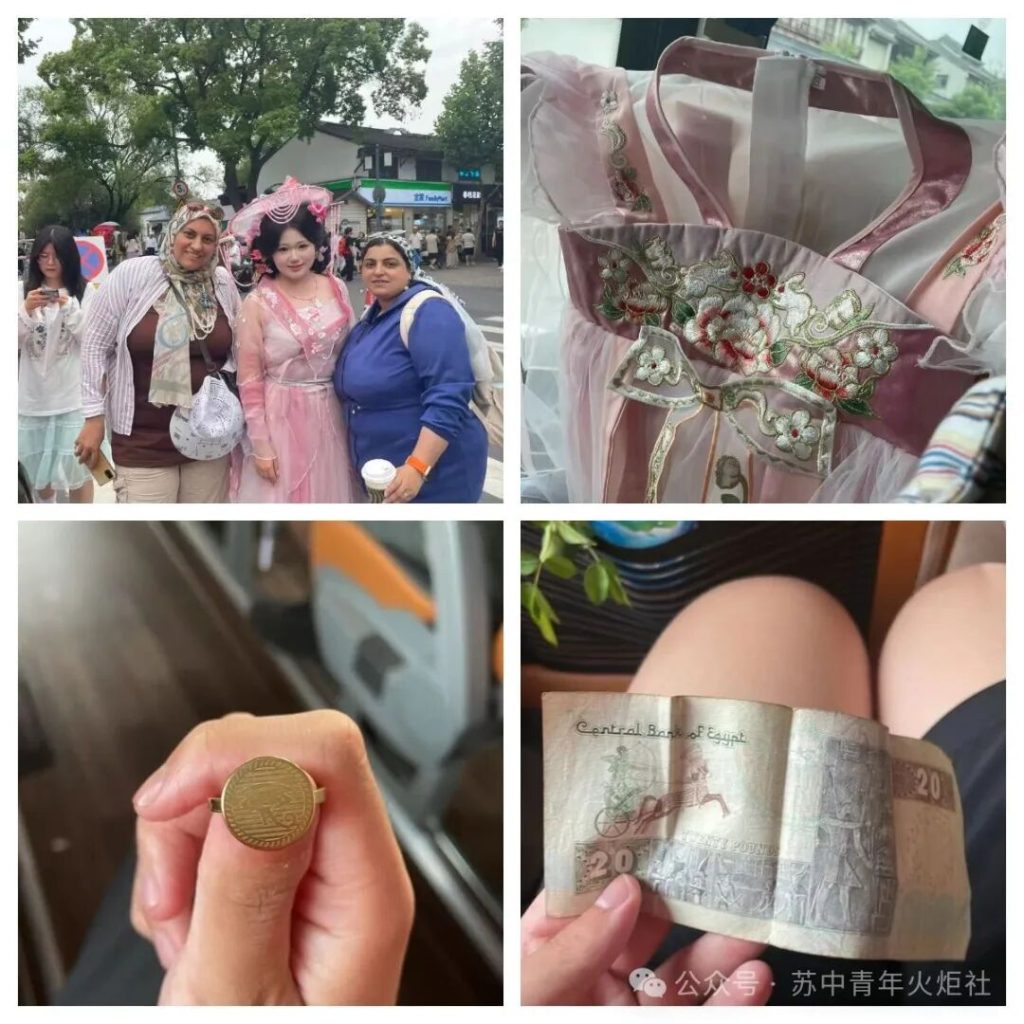
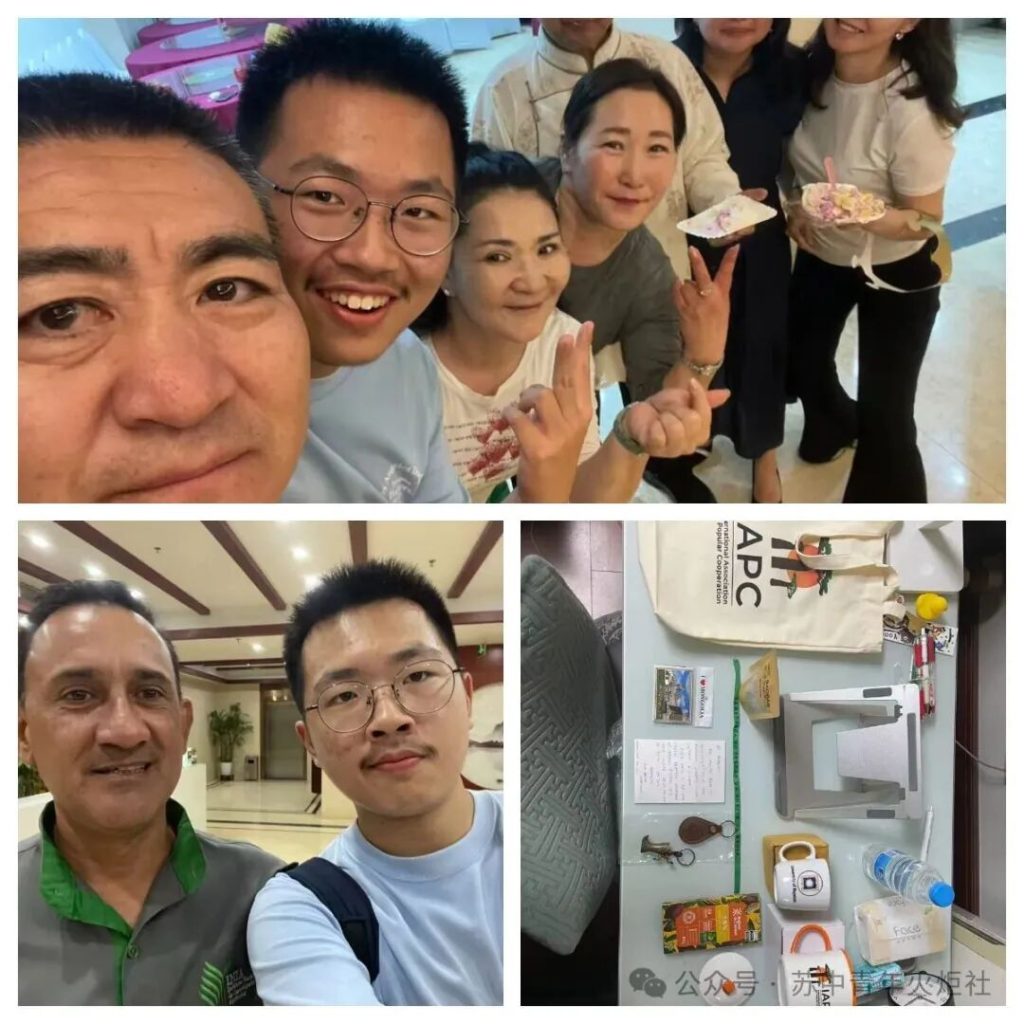
In the afternoon, we went to Pingjiang Road and helped an Egyptian professor look for a bank. We never found one, but to my surprise, I received rings and Egyptian currency from them. Although we were separated by cultural differences and communication was often difficult, kindness was something we could all understand. When I sincerely hoped that her daughter would find the hanfu she wanted, that small gesture was remembered by a mother.
We went shopping together. At the time, I didn’t think much of it. I simply felt guilty that we hadn’t been able to find a bank where she could exchange money, and I wanted them to enjoy experiencing Suzhou’s culture.
I was grateful for the first gift. It also made me determined to do my part in cultural exchange.
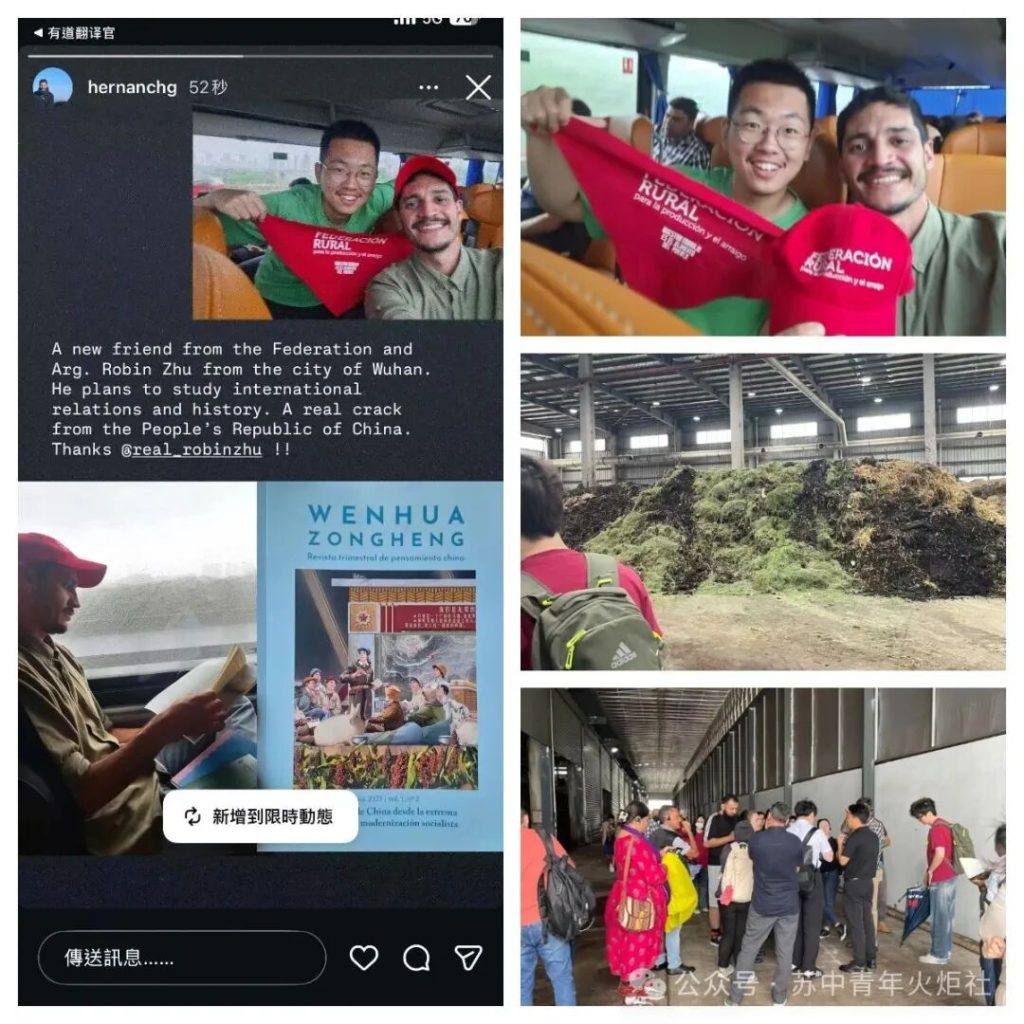
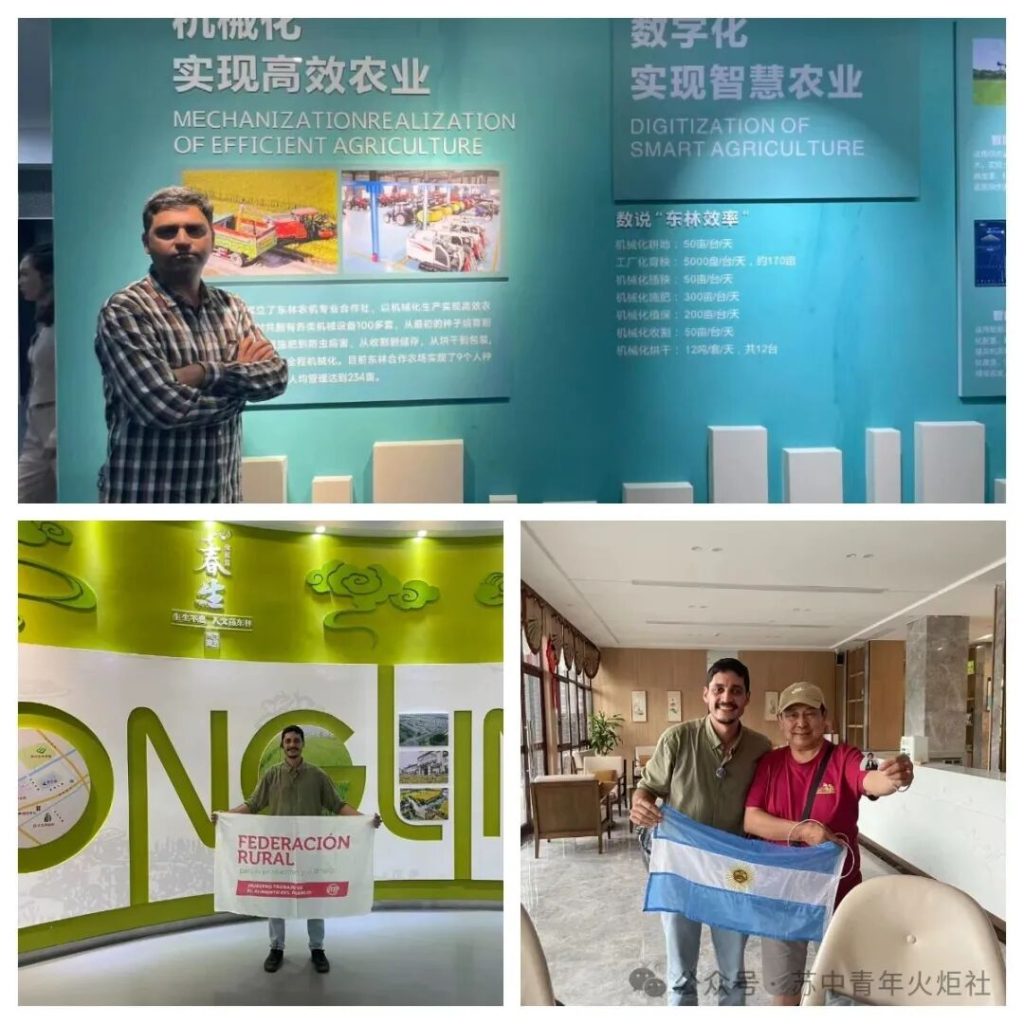
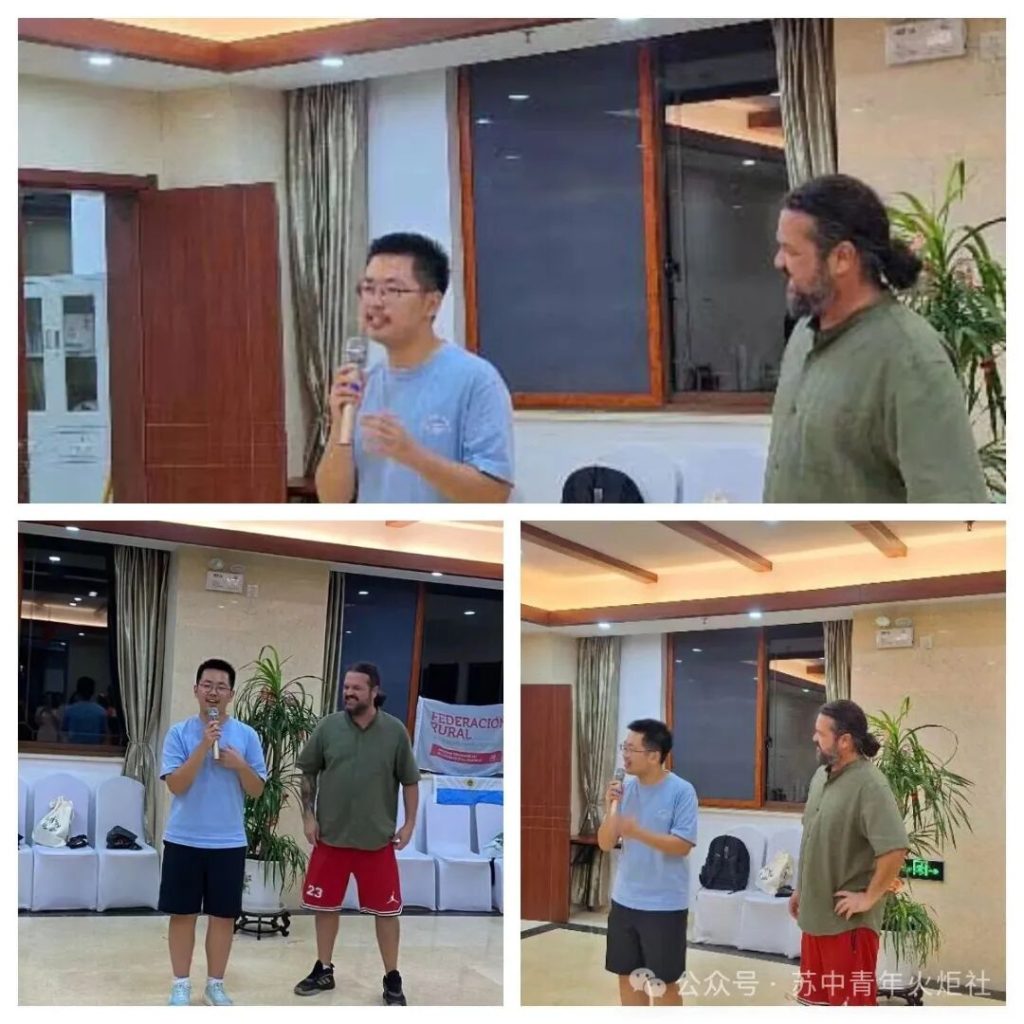
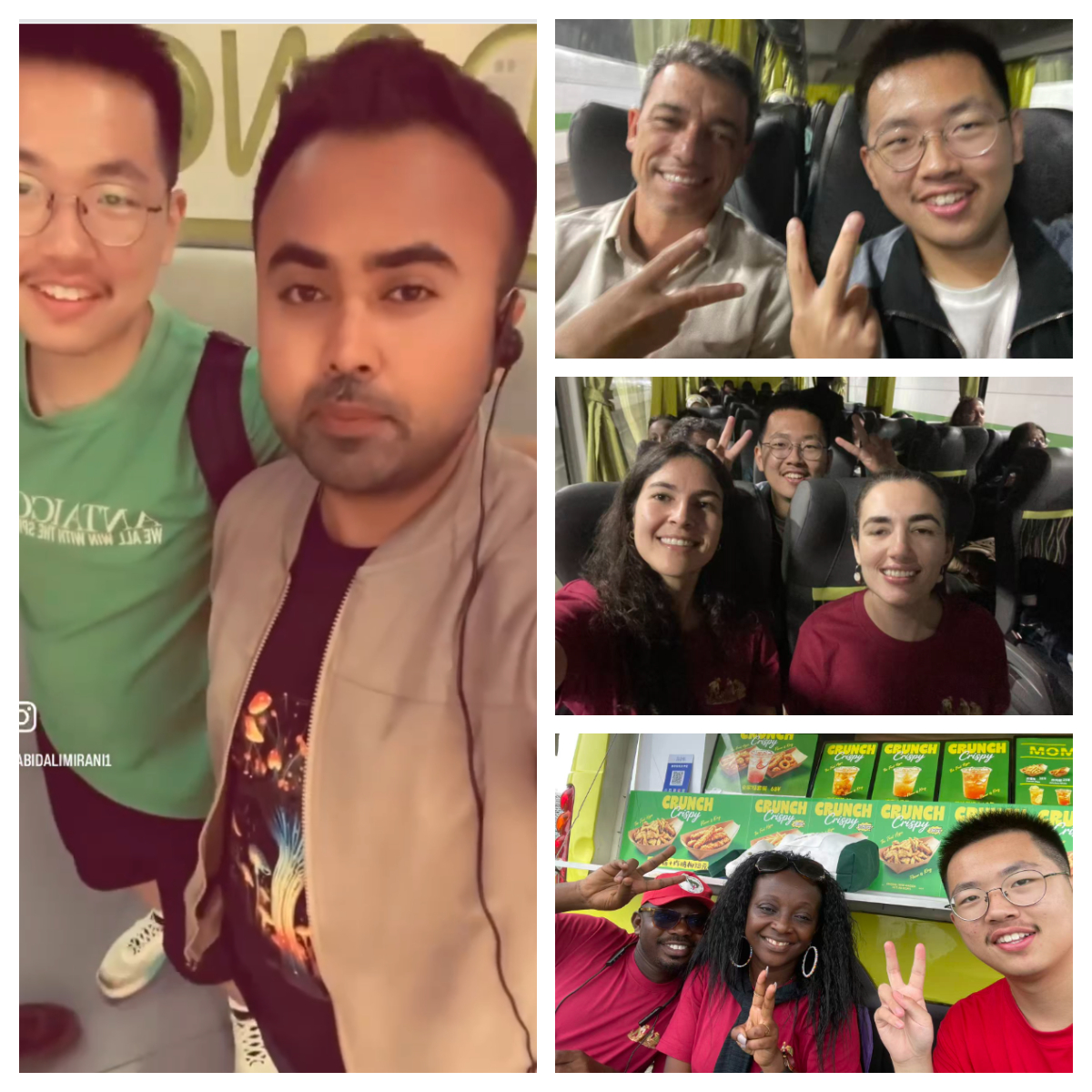
Hernán, from Argentina, affirmed and encouraged me. We talked about Chinese history and culture on the bus. He also shared with me Argentina’s experience in agricultural development, as well as his organization and his beliefs.
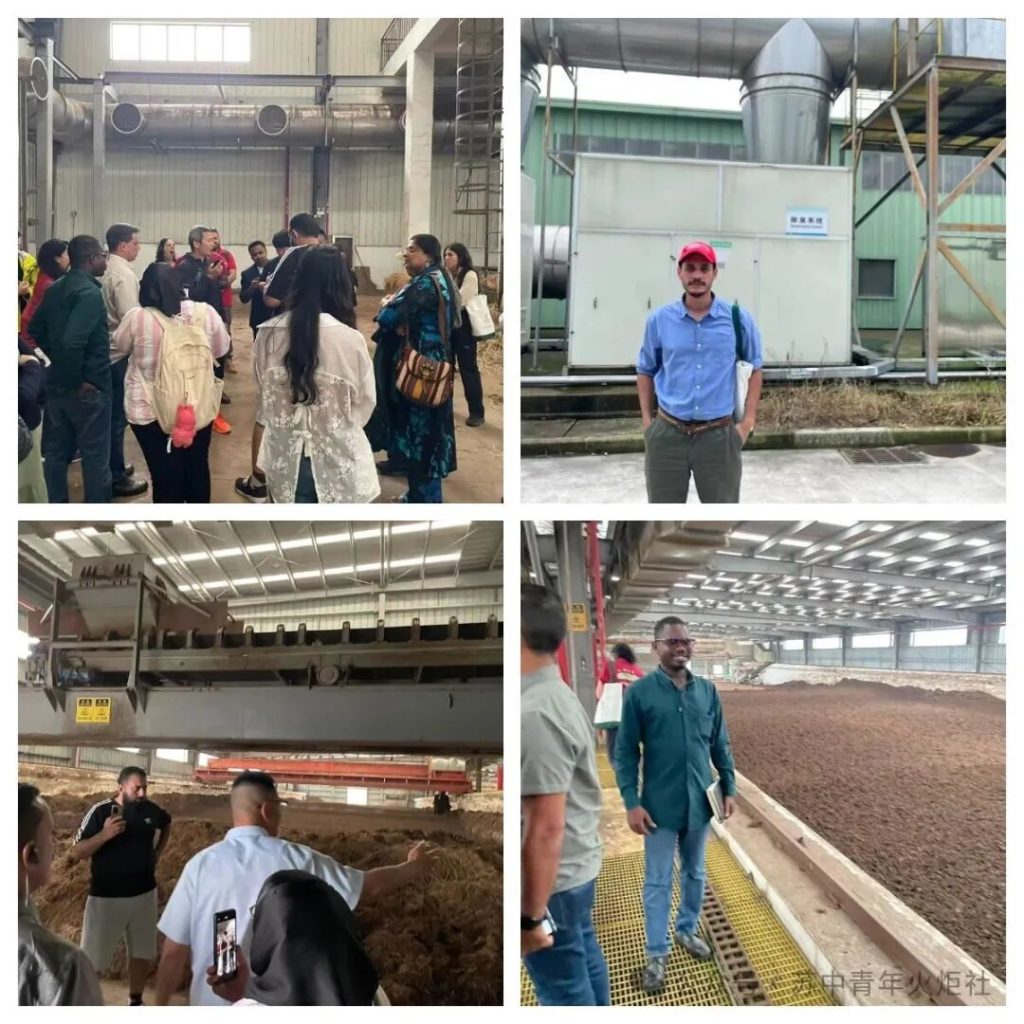
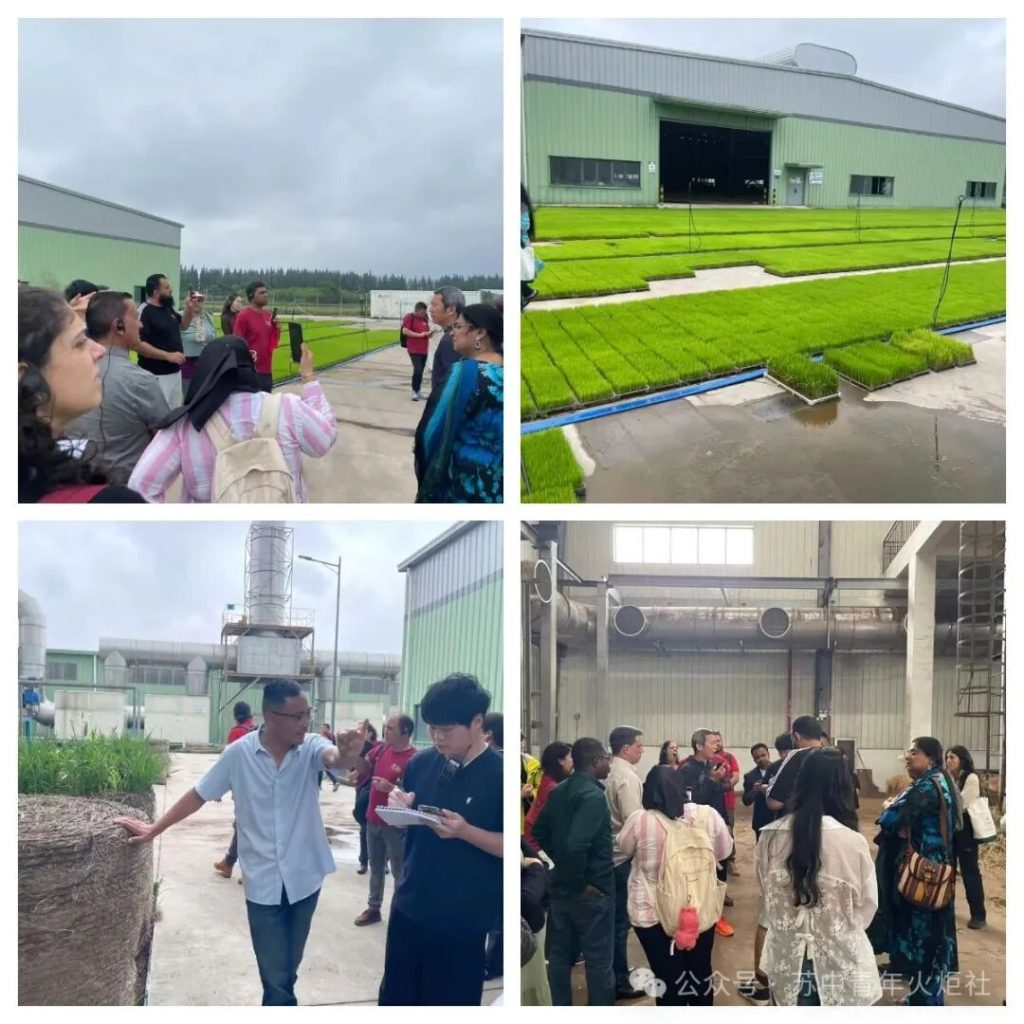
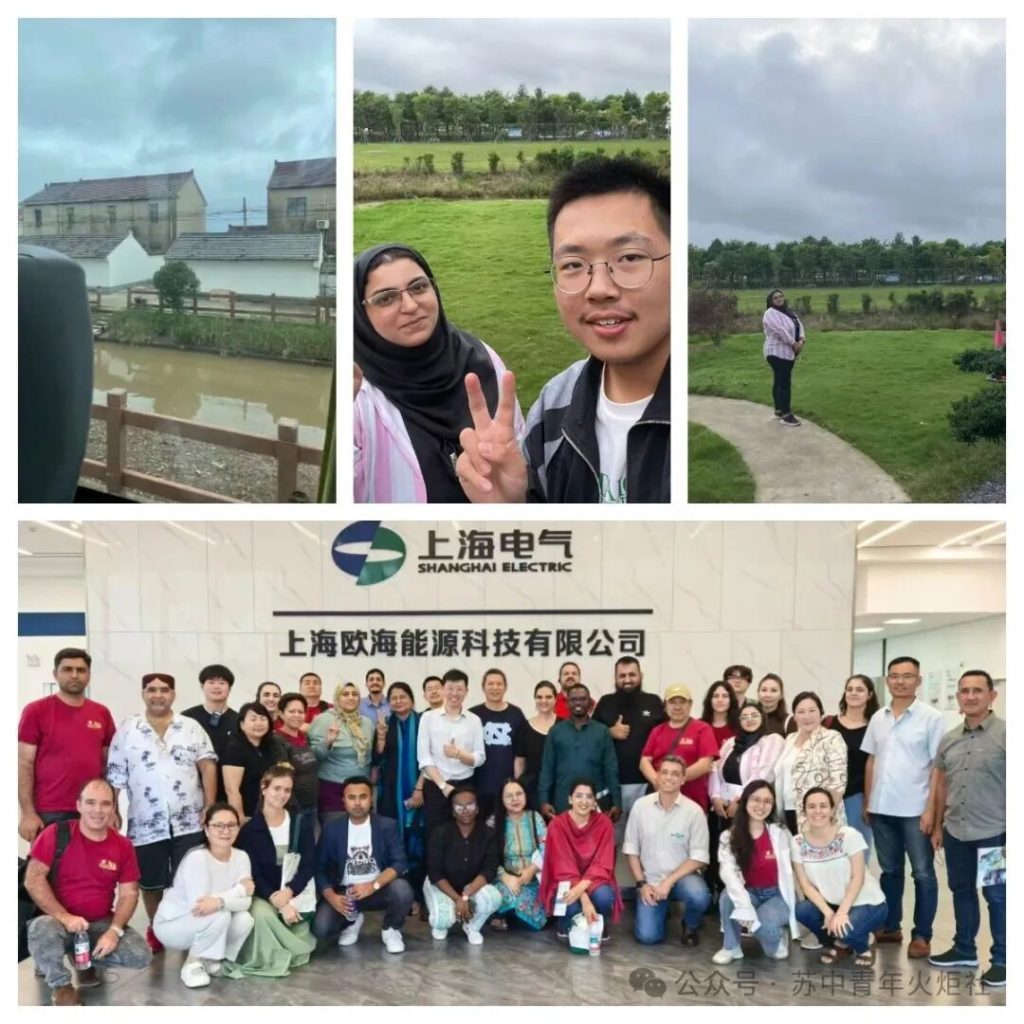
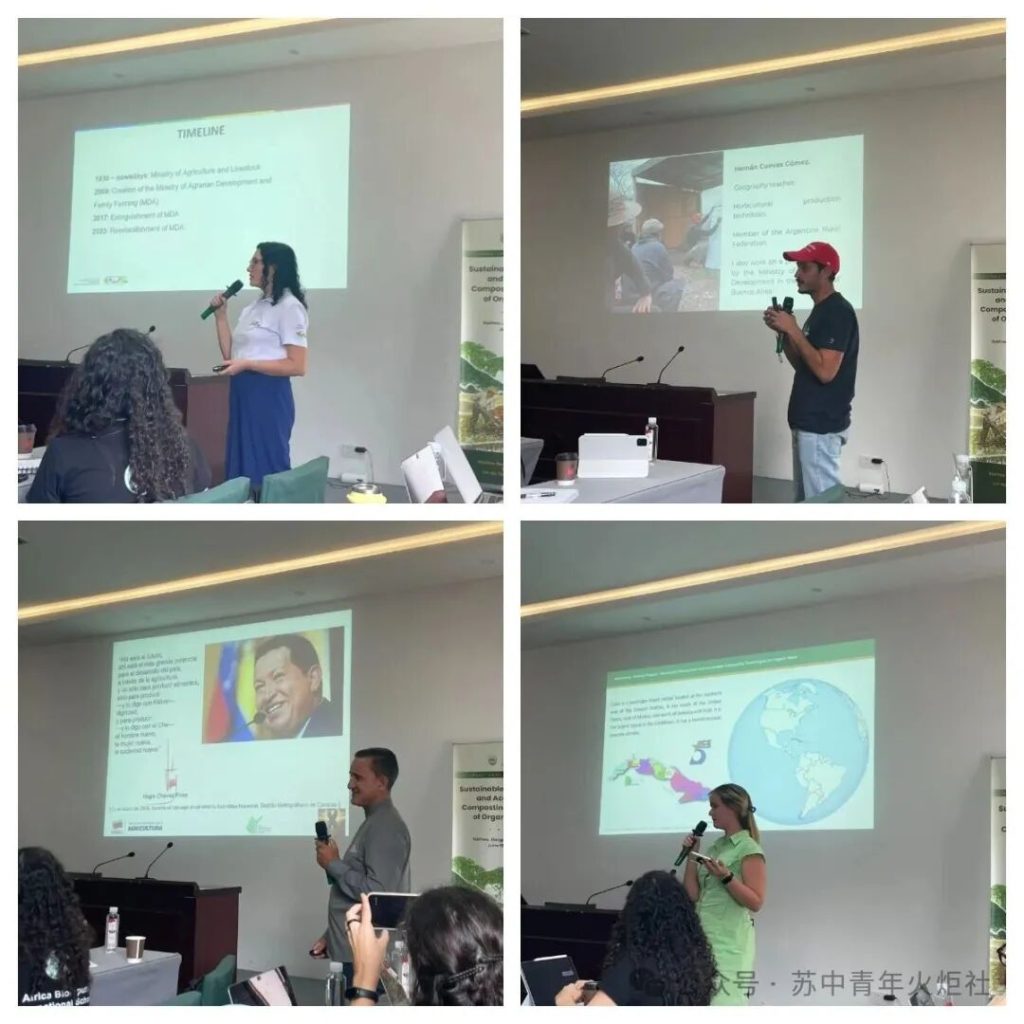
We visited a fertilizer factory in Taicang. Although there were many flying insects inside, they couldn’t dampen everyone’s enthusiasm for learning. Our group was made up of people from developing countries, and everyone hoped to use this hands-on opportunity to learn from China’s agricultural technology.
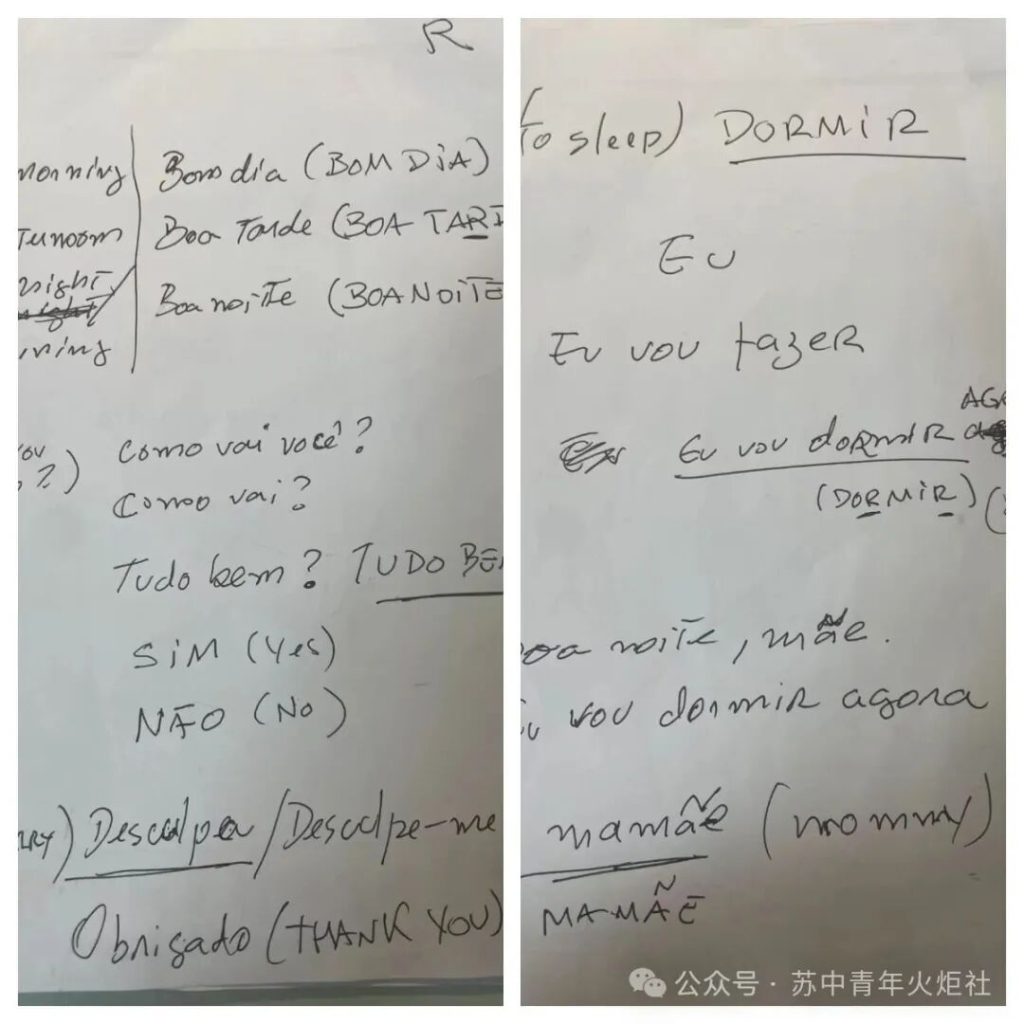
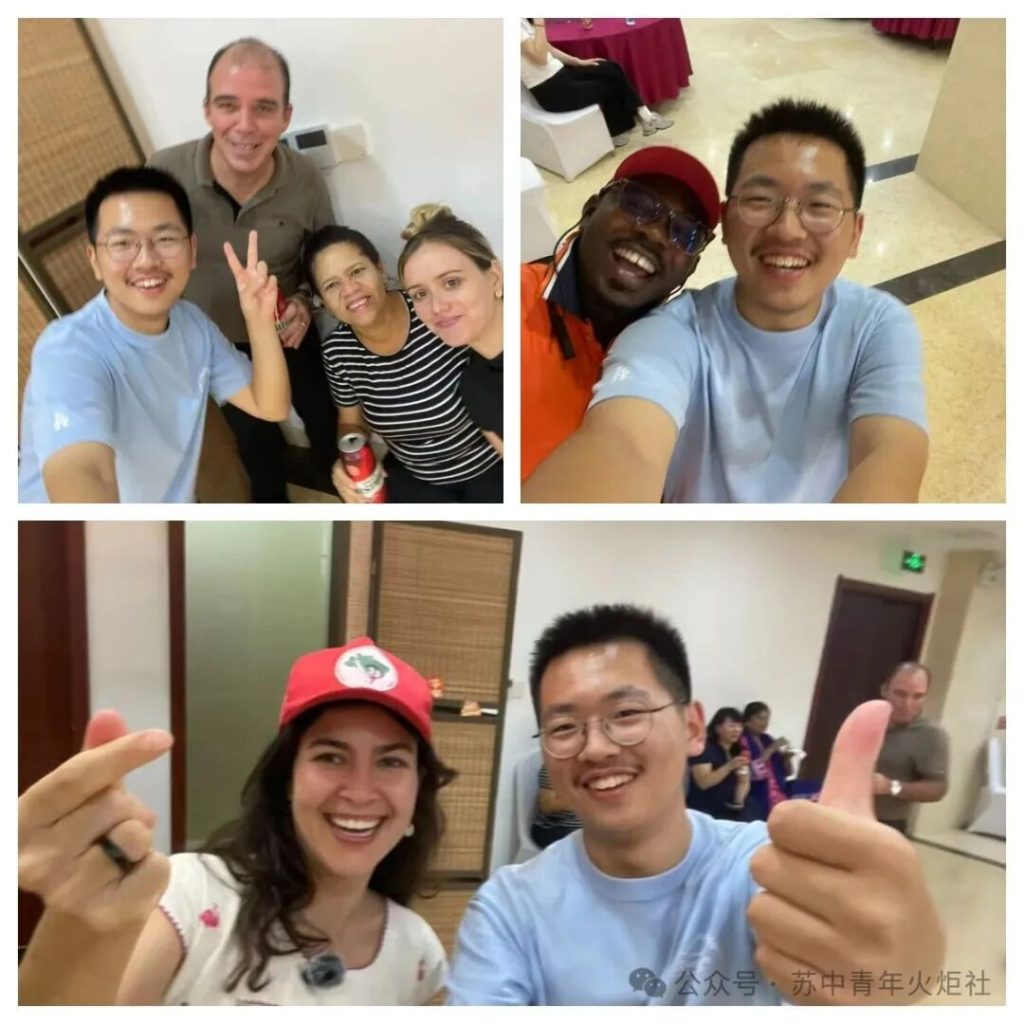
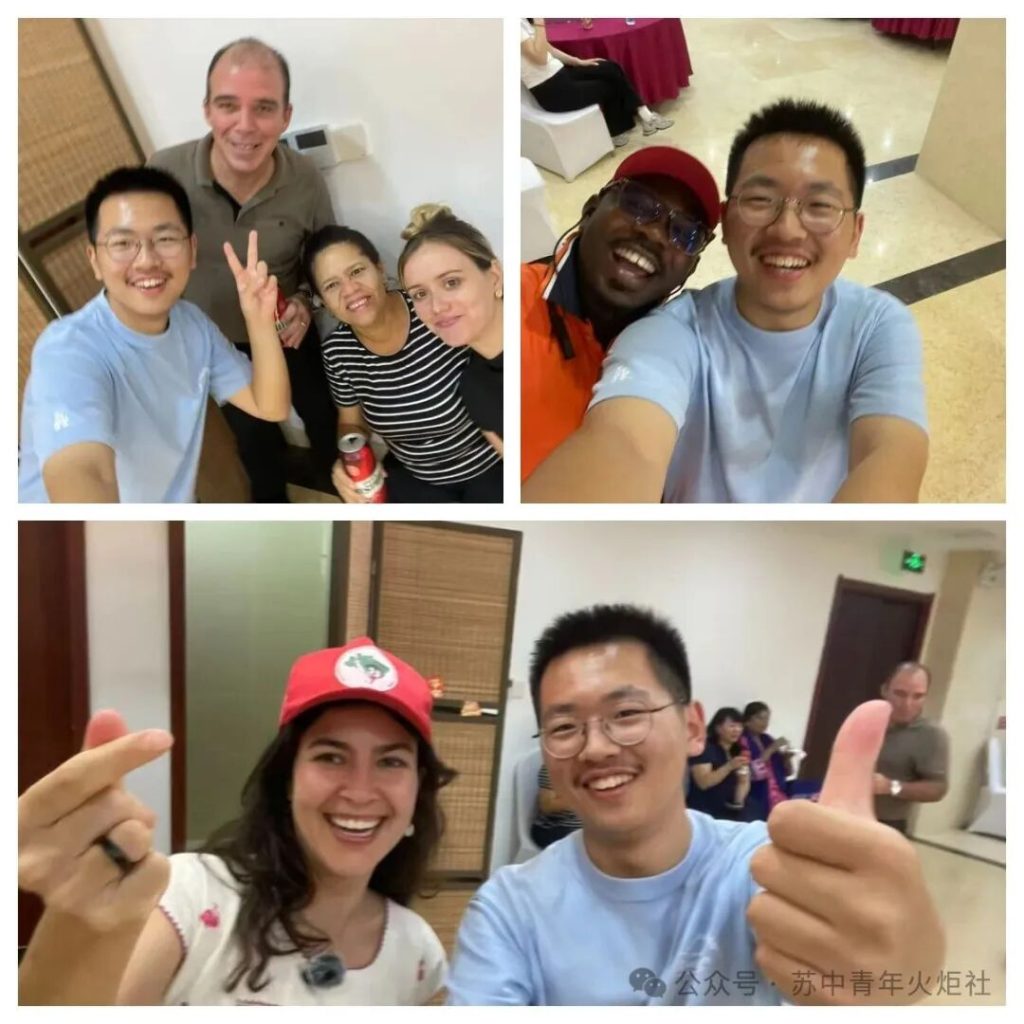
The next day, it rained heavily. On the bus, I learned Portuguese from several Brazilian officials and researchers.
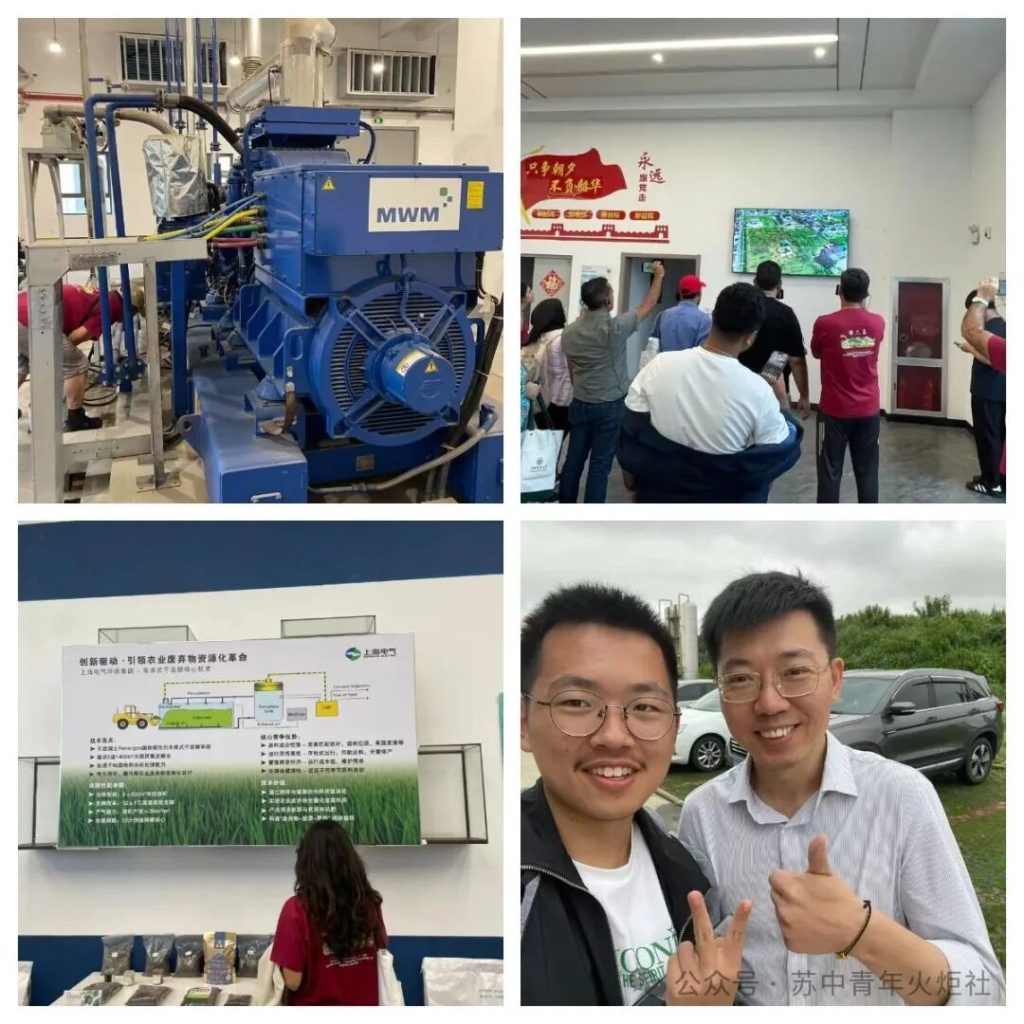
Later, we visited an electrical equipment factory on Chongming Island in Shanghai. The manager told me that the purpose of the factory was not to make a profit, but to support the functioning of society. Many of the foreign scholars said that state-owned enterprises with government control were rare in their countries because their governments had less macro-level control than China.
Later, they told me that this experience had truly broadened their horizons. Whenever they saw a machine they didn’t recognize, they would carefully record it.
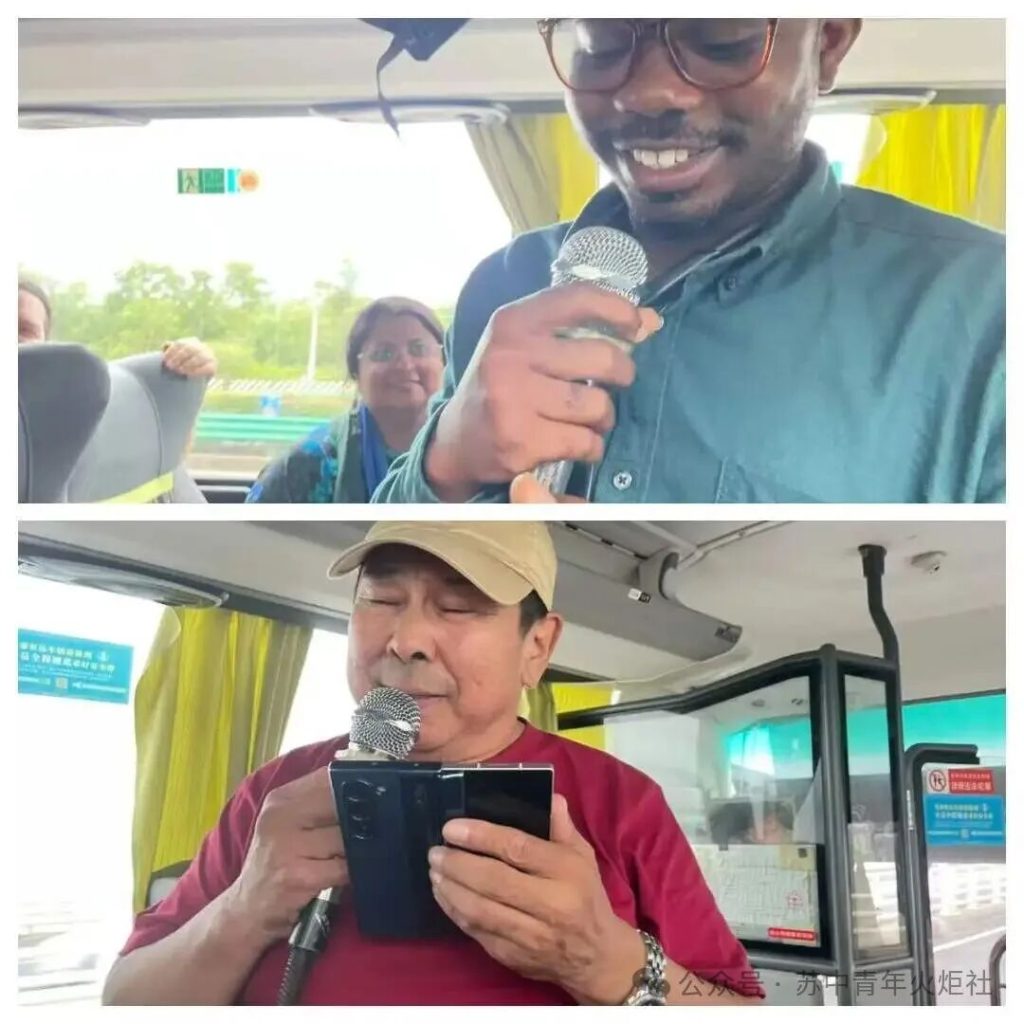
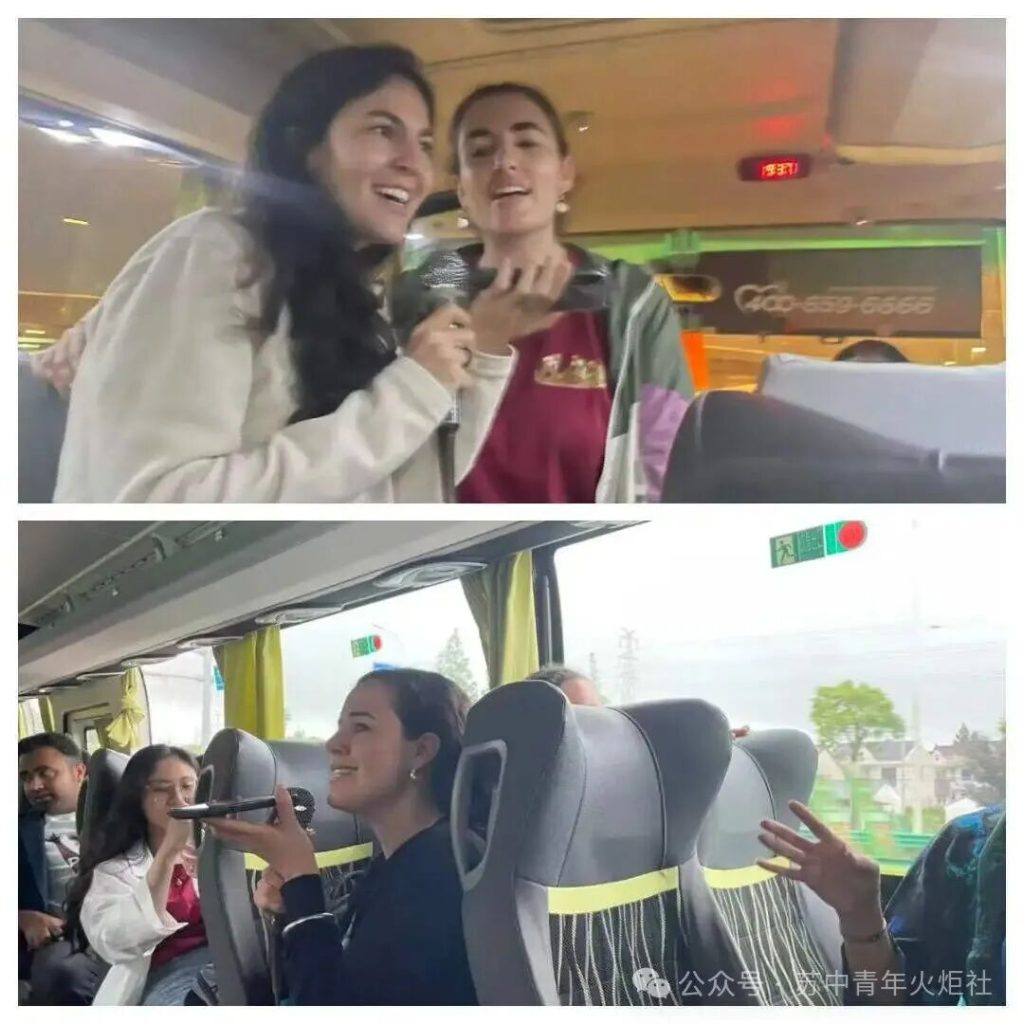
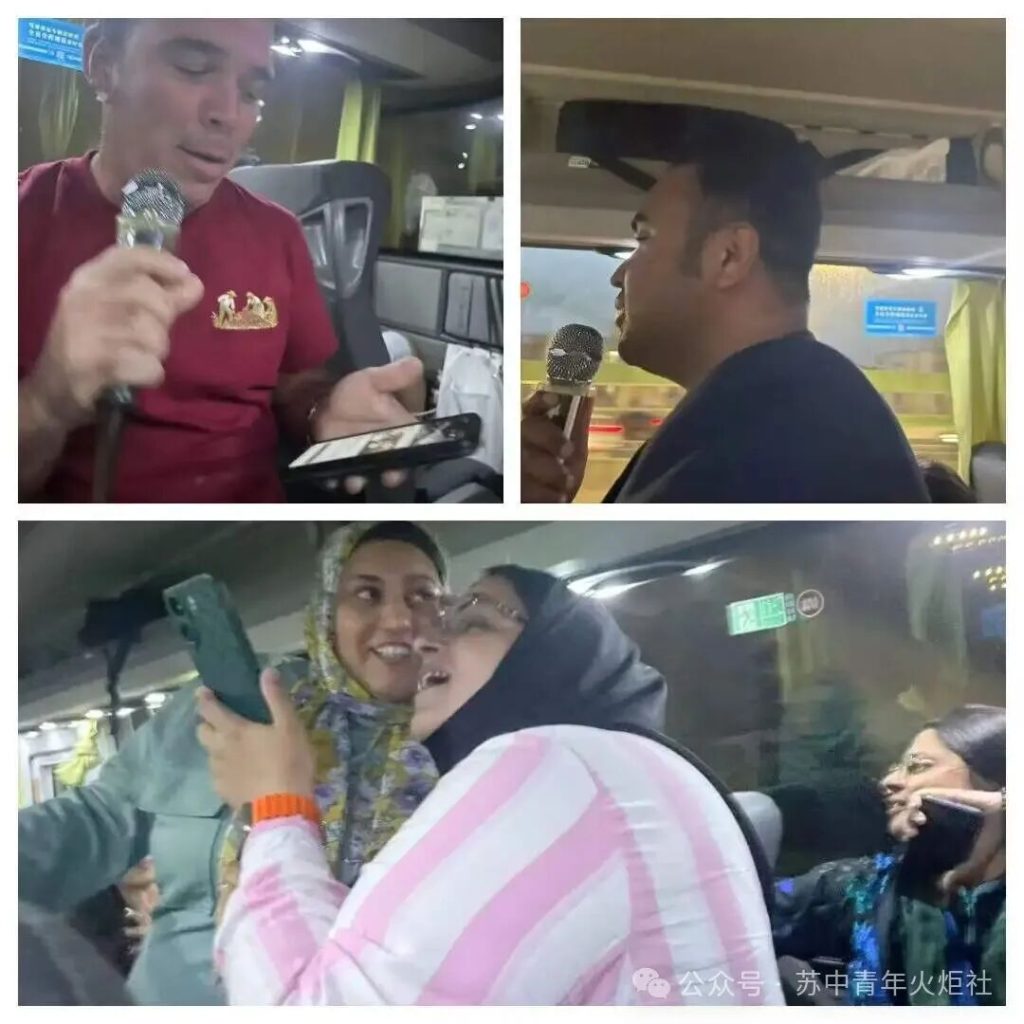
The journey from Chongming Island in Shanghai back to Suzhou took four hours, so I suggested that we take turns singing songs from our own cultures along the way. People from different countries even danced together. Some of the songs that left the deepest impression on me were the Cuban classics “Guantanamera” and “Tacto Que Llegó El Reparto,” Brazil’s “Não Deixe o Samba Morrer” (“Don’t Let Samba Die”) and “Ai Se Eu Te Pego,” and Egypt’s “Salma Ya Salama” (سالمة يا سلامة).
At first, no one was willing to sing, but after I took the lead, everyone began sharing songs from their own cultures.
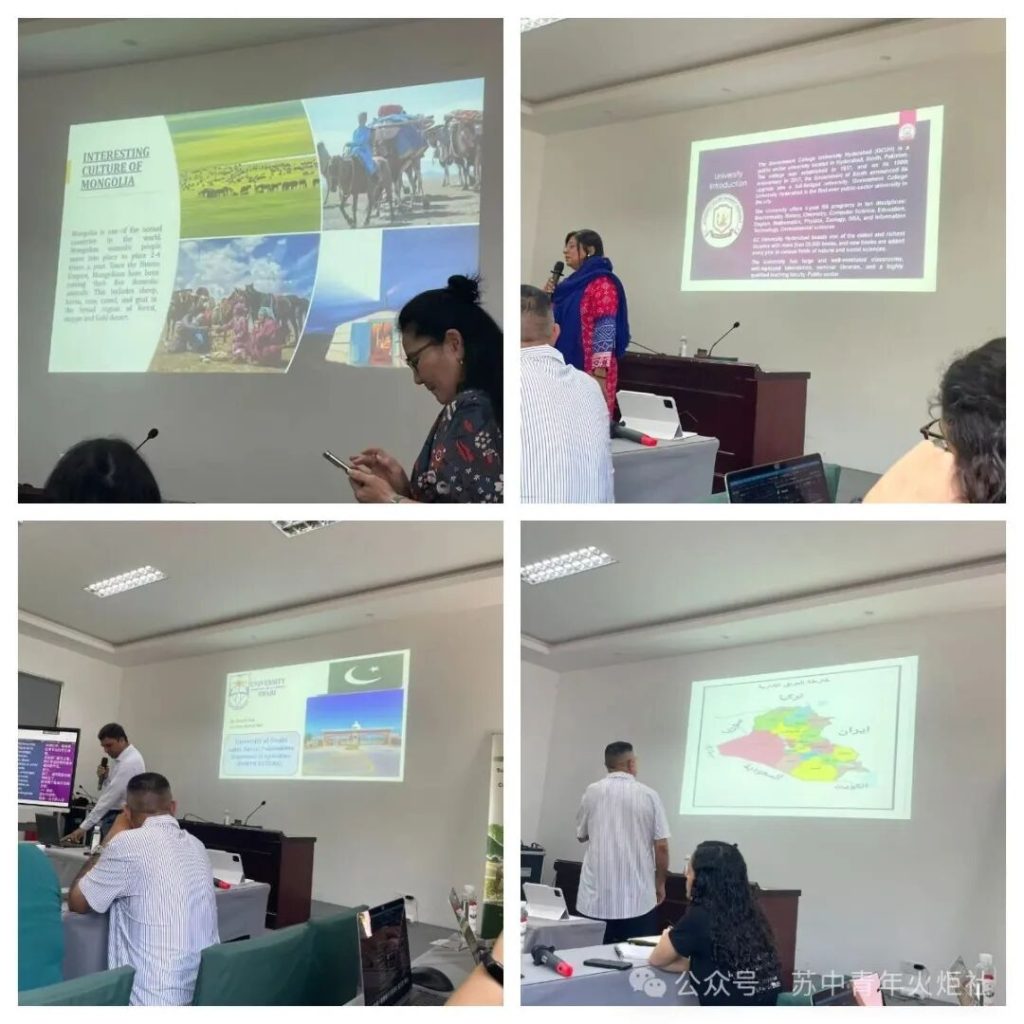
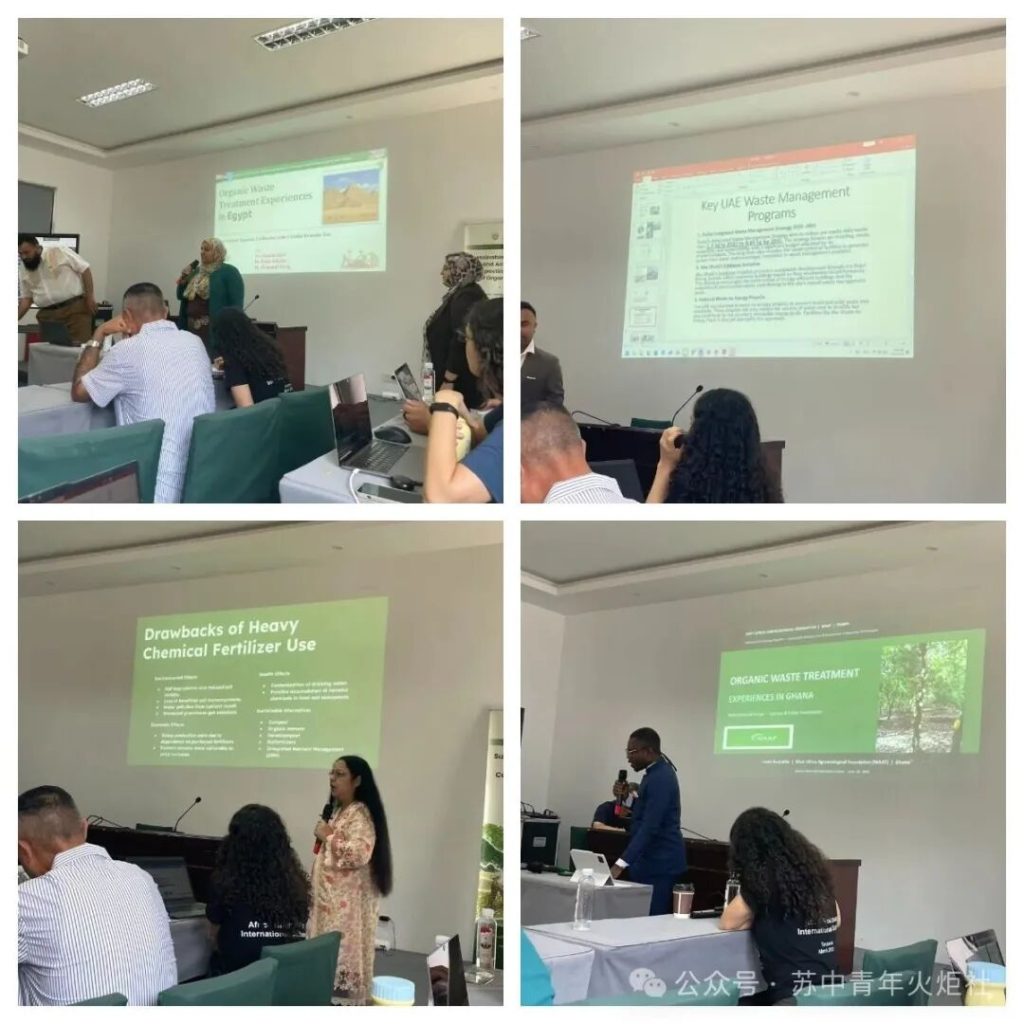
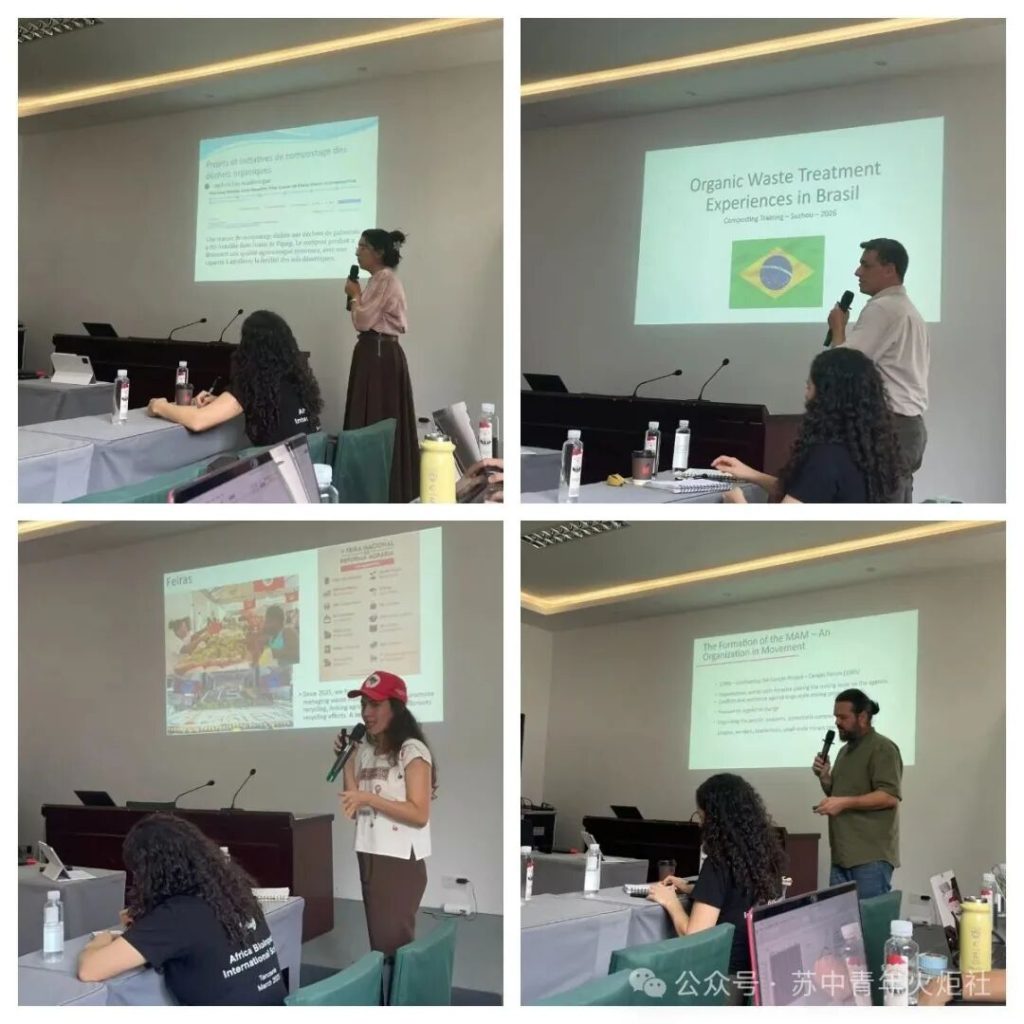
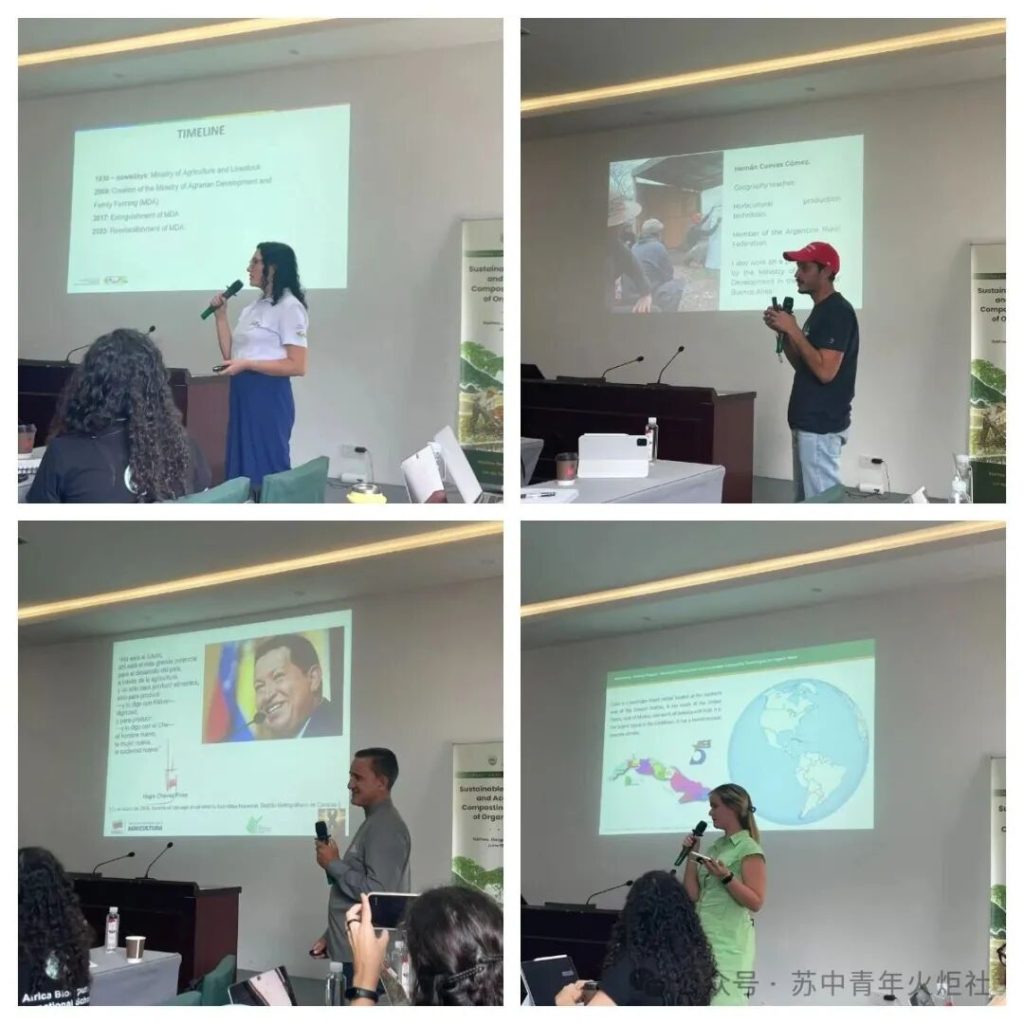
On the last day, during our reflection seminar, each of us shared what we had gained from the experience.
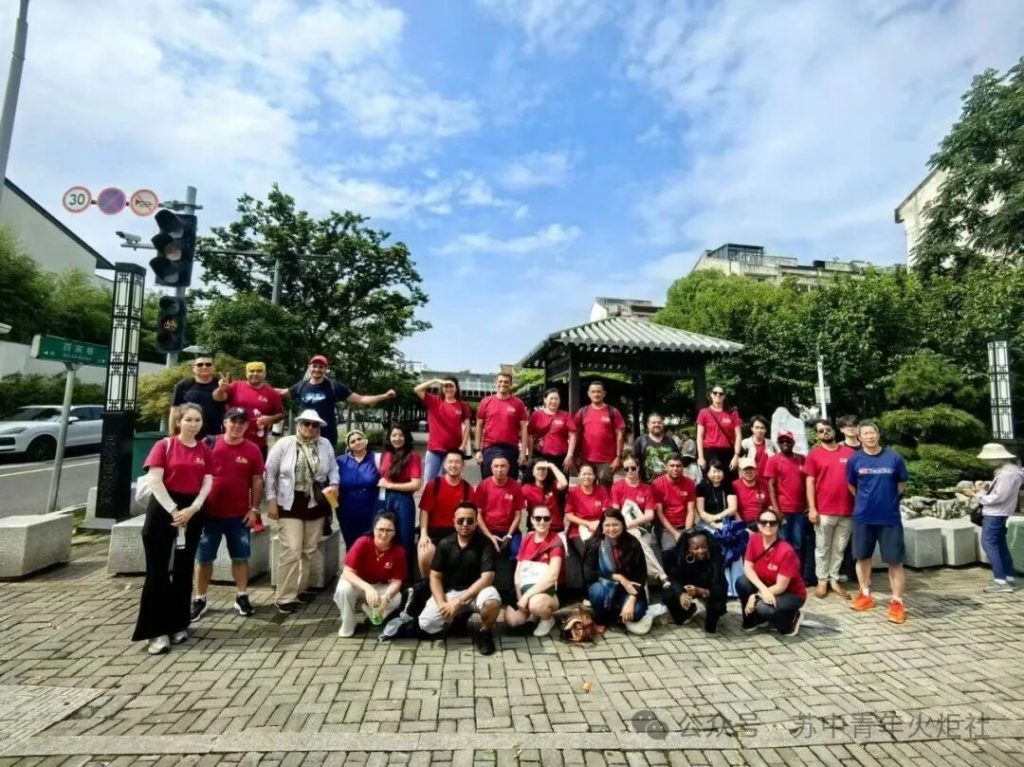
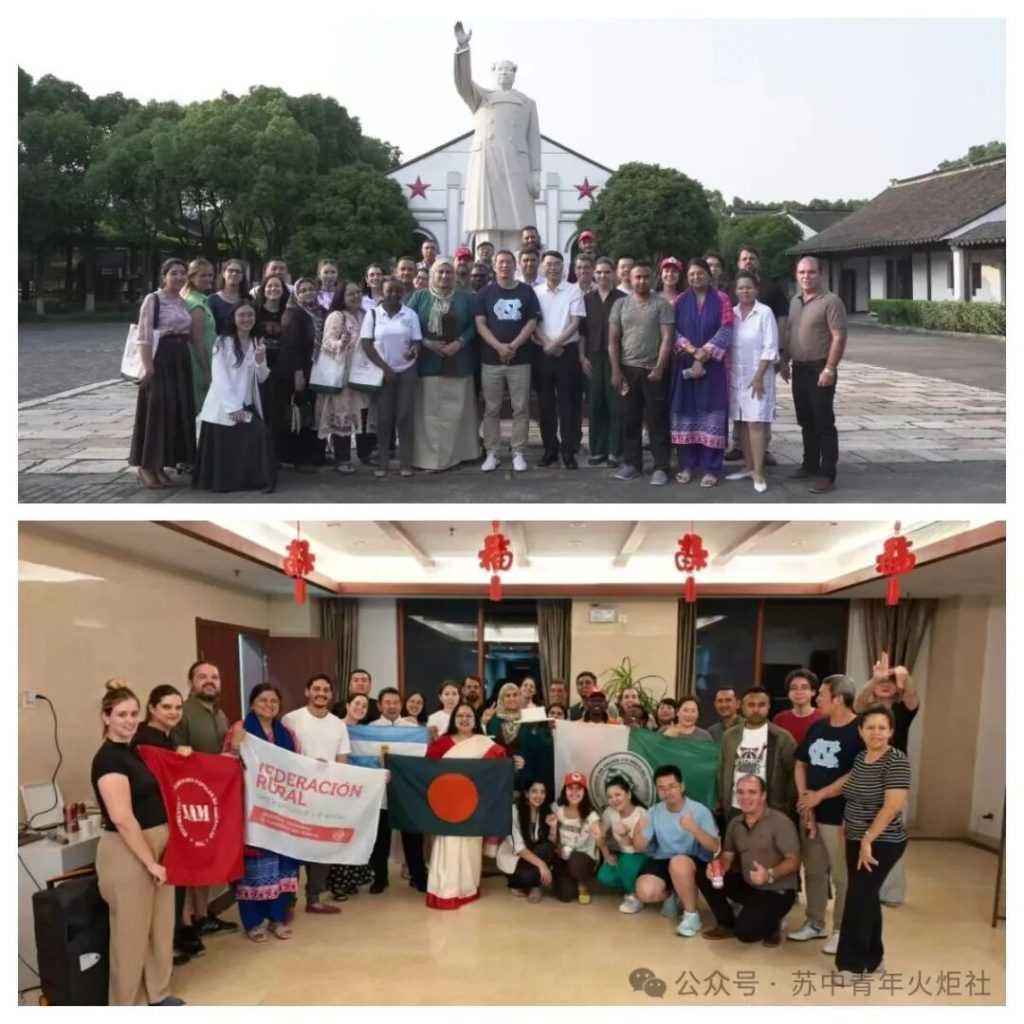
At the very end, after countless study visits and conversations, we had grown familiar with one another. Each of us had a different identity, came from a different culture and country, and held different religions and beliefs. Yet we respected one another, regardless of our differences in strength or circumstance.
While the representative from Venezuela’s Ministry of Agriculture was studying with us, a powerful earthquake back home had devastated his family. Yet he continued to study diligently and, in his closing remarks, thanked everyone for caring about him. Before his speech, I helped him add the new Venezuelan logo to each page of his presentation. Perhaps because of that, just before I left, he stopped me and gestured that he wanted to take a photo together. He spoke only Spanish, but we could still empathize with each other. Before his speech, we all joked that this was the “United Nation” giving a speech.
To this day, I still remember what he said to everyone beside me that day. He was Brazilian, yet he was trying his best to speak in English:
“When we talk about children, we see hope. We want to give you this gift not only because you have been so warm and supportive to us, but also because you are the hope of all of us. We are all part of the Global South, and you have shown us a vision for future cooperation among the countries of the Global South. You will always remain in our memories.”
At first, I simply saw myself as a volunteer. Limited by language differences and cultural barriers, I felt that there was only so much I could do to help. Looking back now, what I did was actually quite simple: I sincerely helped every person who needed it.
I never realized that everyone had remembered these small acts and had chosen to share their gratitude together at the very end. Now, they are returning to their home countries during the June rainy season, carrying with them the technology and knowledge they gained in China to help build their nations. And I, too, carefully recorded all these stories, preserving every moment in my memory.
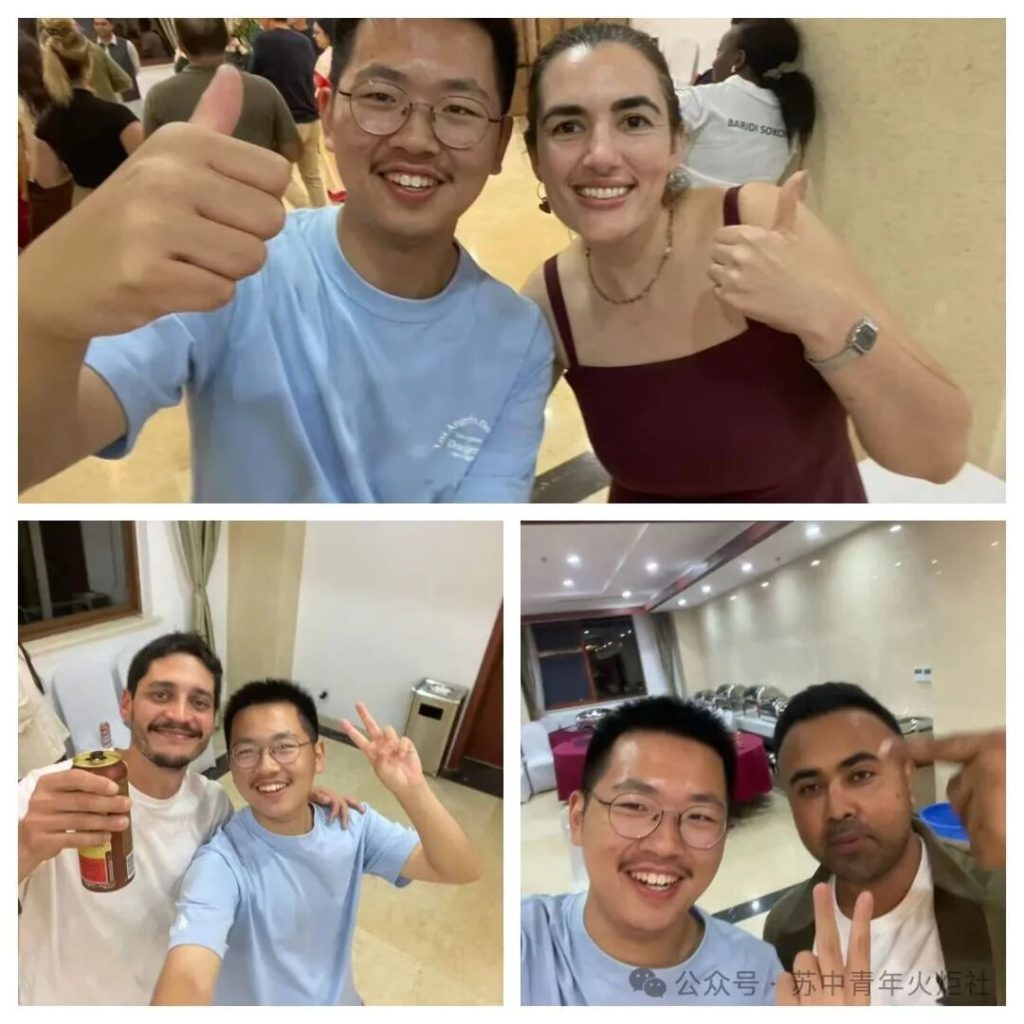
Thank you for the gifts from friends from Brazil, Mongolia, Bangladesh, Argentina, Egypt, and IAPC, the International Association for People’s Cooperation. I am grateful to everyone who taught me knowledge and lessons, and to those who were willing to write me a handwritten letter.
A group of strangers who had never met, and now a united family. This is our story. A good story does not need to be made up, because we are the story ourselves. Grateful for everyone and everything. One day, somewhere in the world, we will meet again.
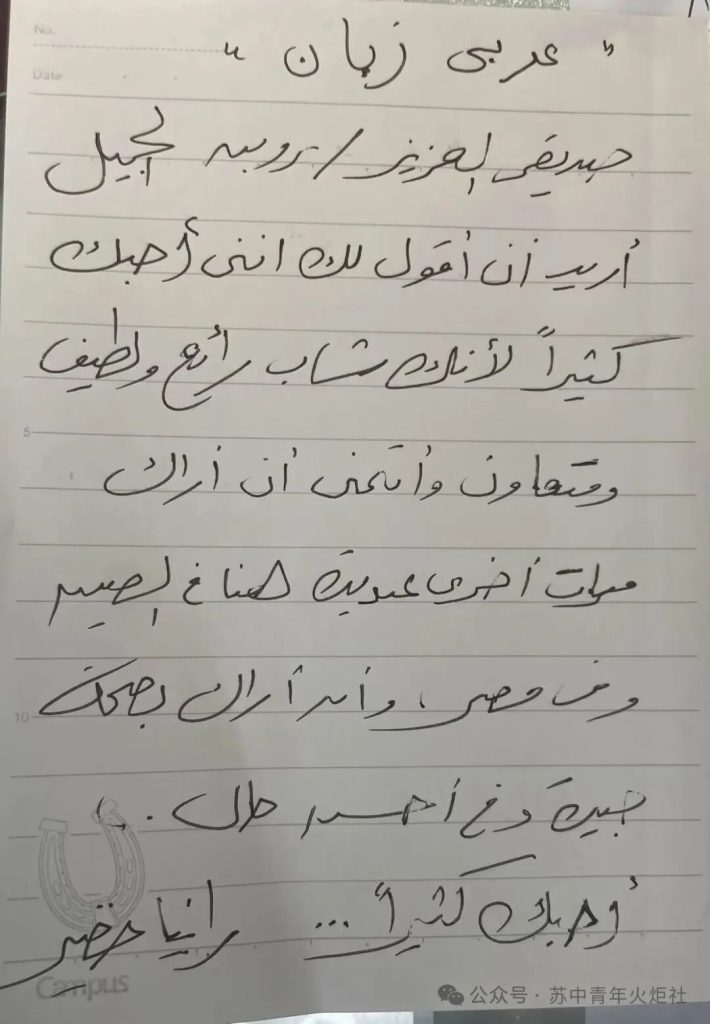
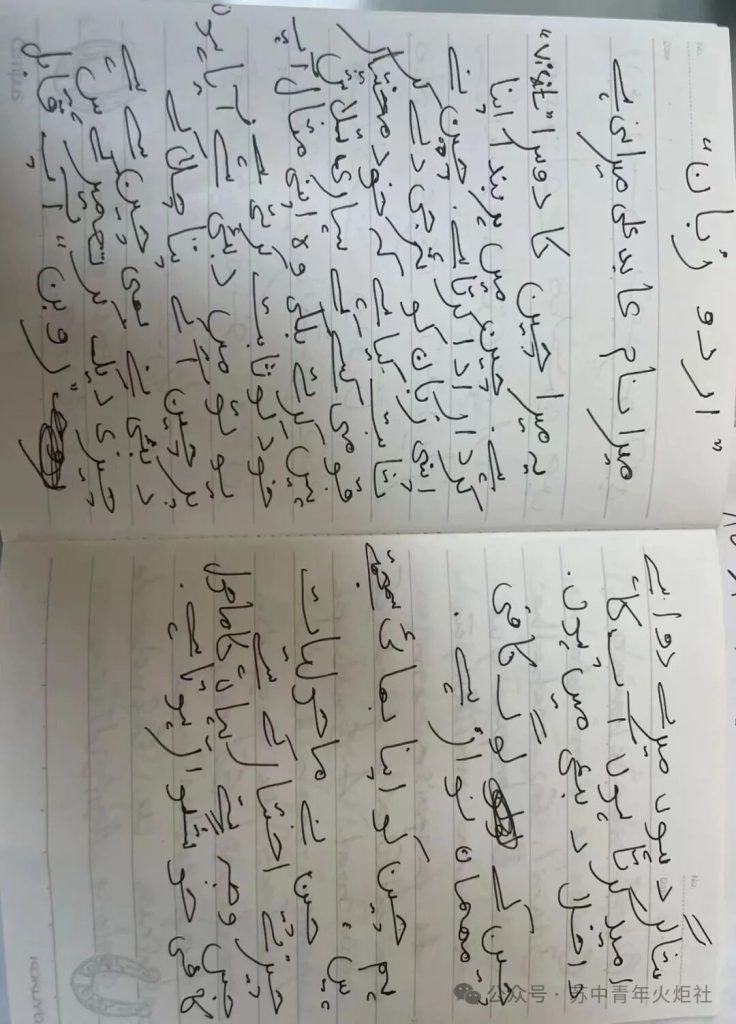
P.S. I will add everyone’s letters here.
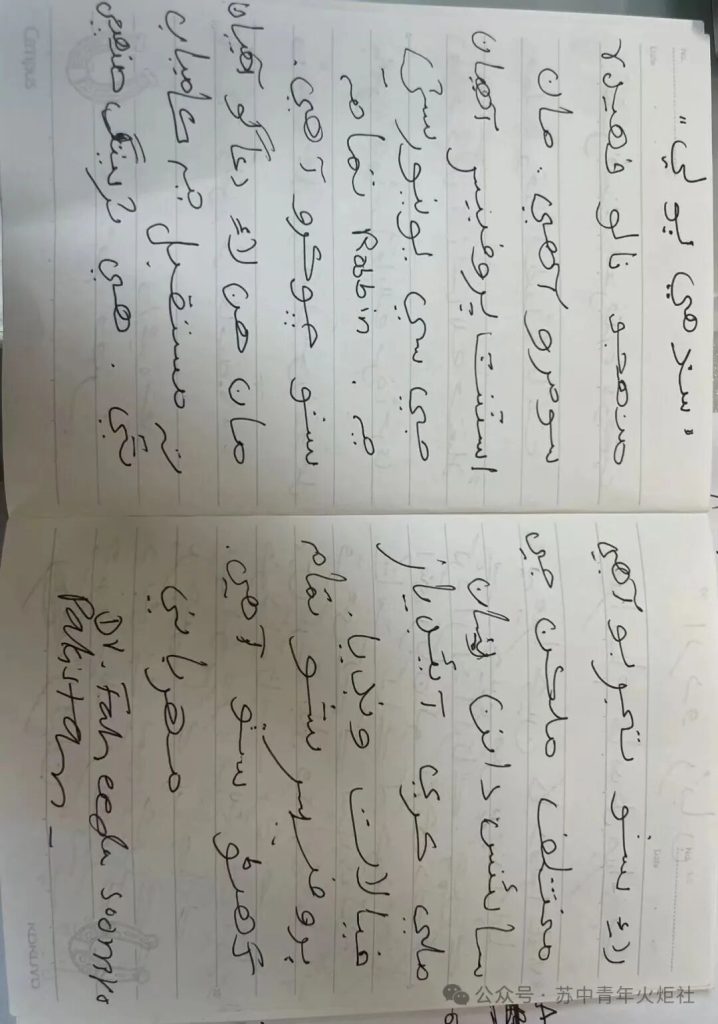
My dear friend / wonderful Robin:
I want to tell you that I really like you because you are such a wonderful, kind, and helpful young man. I hope to see you again, wherever that may be… or in Egypt. I want to see you healthy and at your very best.
I’m very fond of you…
Rania Hedel
My name is Fahida Sumro. I am an Assistant Professor at the University of Sindh.
Robin is a very excellent, intelligent, and handsome young man. I pray for him and wish him every success and a bright future. He is a very good child.
May he achieve great accomplishments in the fields of science and knowledge alongside scientists from different countries. Professor Robin will become a wonderful and outstanding person.
Thank you very much.
Dr. Fahida Sumro, from Pakistan
My name is Abid Ali Milani. This is my second visit to China. China is building its own brands, and I am grateful to China for promoting its language and working so hard. May you always be happy. You are a living example who has proven yourself. I have seen how, wherever you go in China, you are able to express yourself and make your presence known. May Allah bless you (JazakAllah). In other words, among all the people in China, you are the best, Robin. You are truly excellent and talented.
You are a role model for my friends. I hope that I can also enter the media field. The people here are very warm and hospitable. We regard China as our brother. China has made achievements in areas such as the environment and mutual respect…
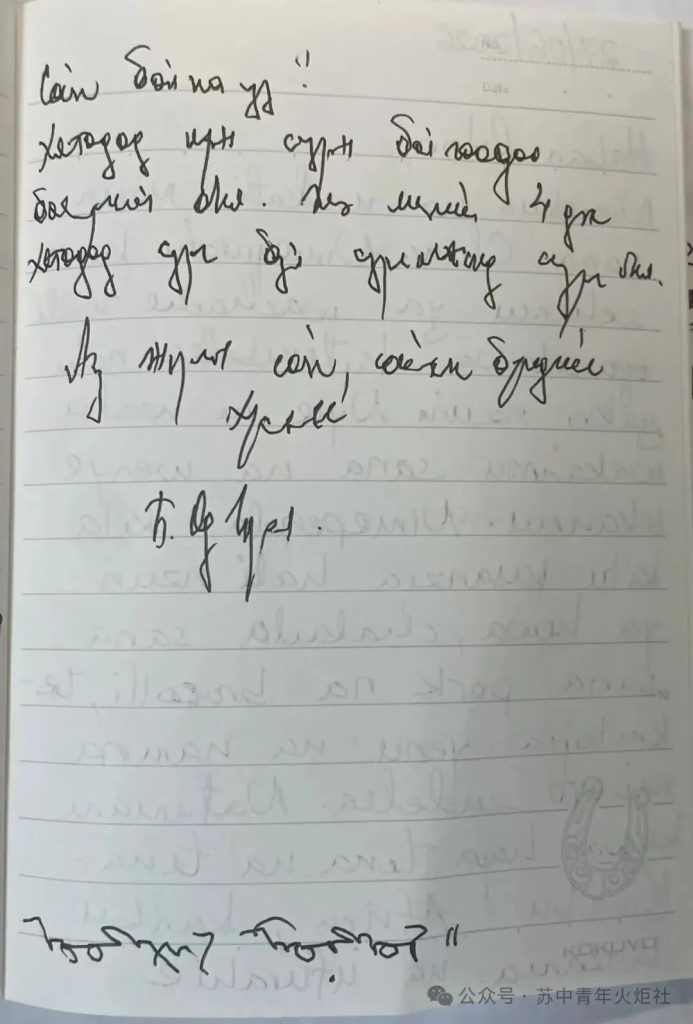
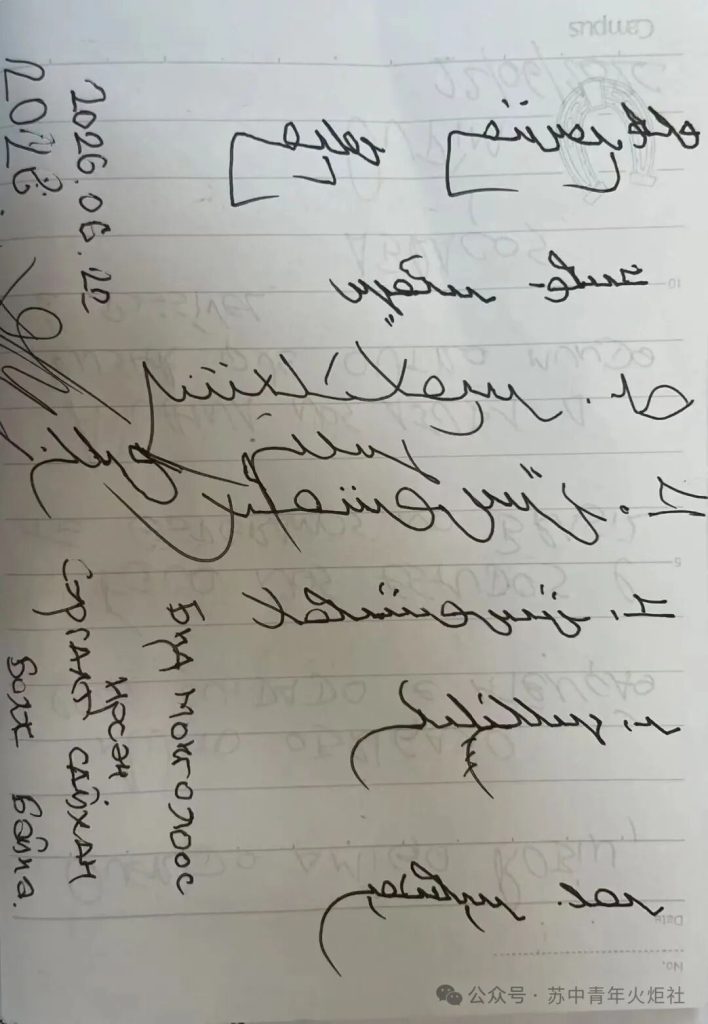
Hello! I am very happy to have had the opportunity to come to China to study. Whenever you have the chance, you are always welcome to come to Mongolia and spend time with us. I wish you success in your work and all the best in everything.
B. Ödgäril
Mongolia
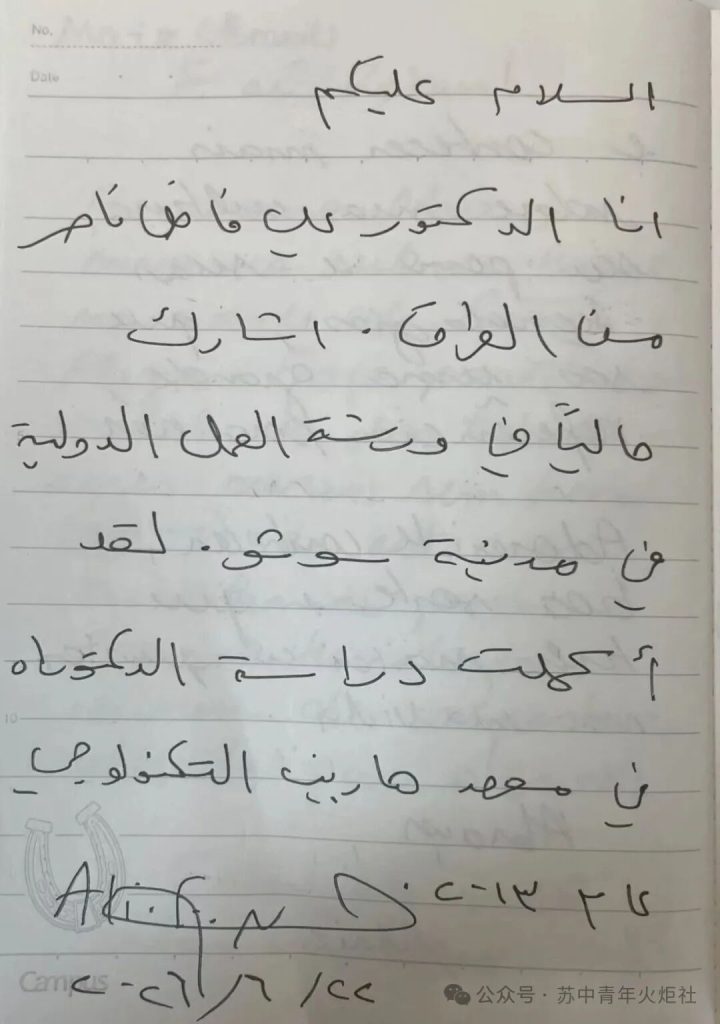
Wishing you peace and safety.
I am Dr. Ali Fadhel Nasser from Iraq. I am currently attending an international workshop in Wuxi. I completed my doctoral studies at Harbin Institute of Technology (HIT) in 2013.
Ali F. N.
June 22, 2026
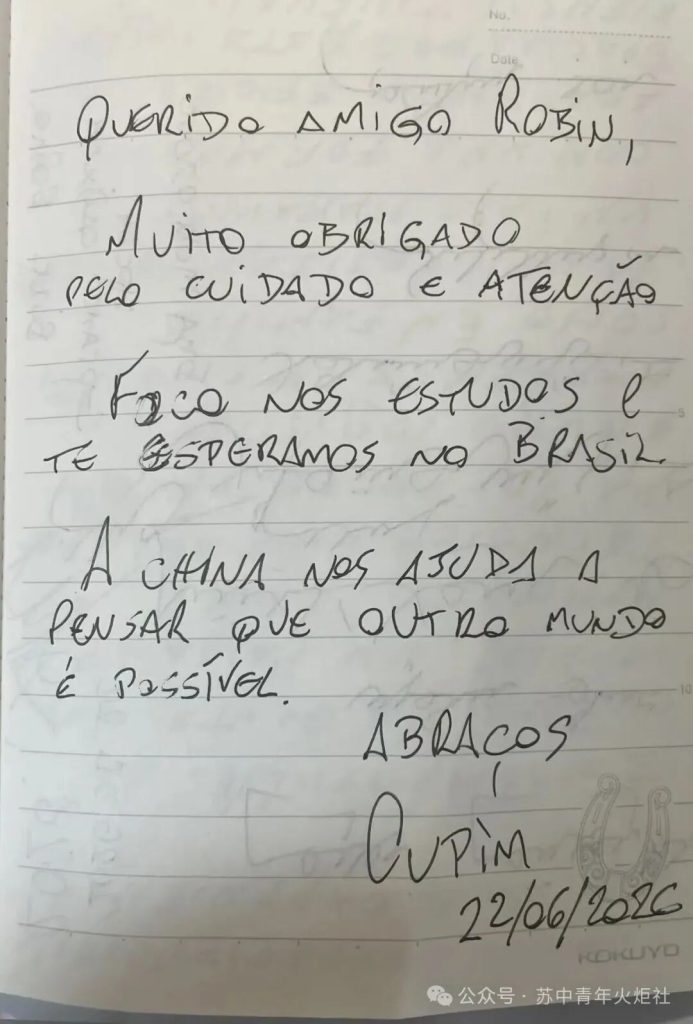
Dear Robin,
Thank you very much for your care and kindness. Stay focused on your studies. We will be waiting for you in Brazil.
China has made us believe that another, better world is possible.
A hug,
Cupid
June 22, 2026
Munkhbaatar Temuujin
Tsetseg Sukhbaatar
Munkhtsetseg
We are from Mongolia. This training and learning experience went very smoothly and was truly wonderful.
June 22, 2026
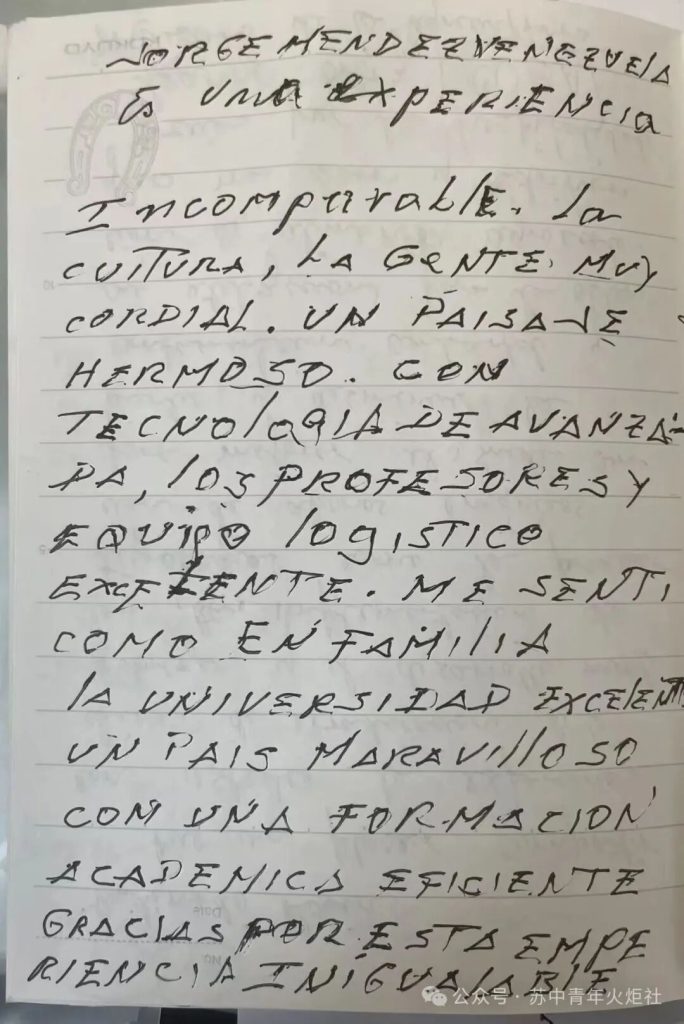
Jorge Méndez, Venezuela
This was an unparalleled experience. The culture here is rich and profound, and the people are incredibly warm and friendly. The scenery is picturesque, accompanied by advanced technology. The professors and the support staff were all excellent. They made me feel as warm and comfortable as if I were at home.
The university was wonderful. This is an amazing country with an efficient academic education system. Thank you for giving me this unique and unforgettable experience.
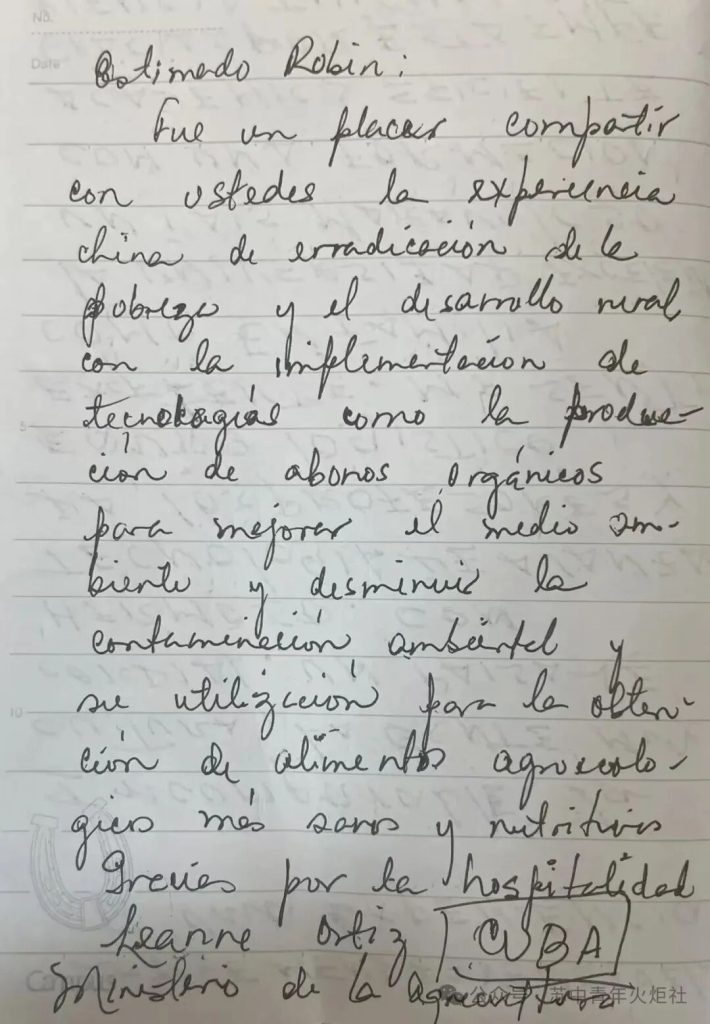
Dear Robin,
I am very happy to have had the opportunity to share with you our experiences of China’s efforts in poverty alleviation and rural development. In particular, I was impressed by the application of relevant technologies, such as producing organic fertilizer to improve the environment, reduce pollution, and support healthier and more nutritious food through ecological agriculture.
Thank you for your warm hospitality.
Lian Ortiz
Ministry of Agriculture of Cuba
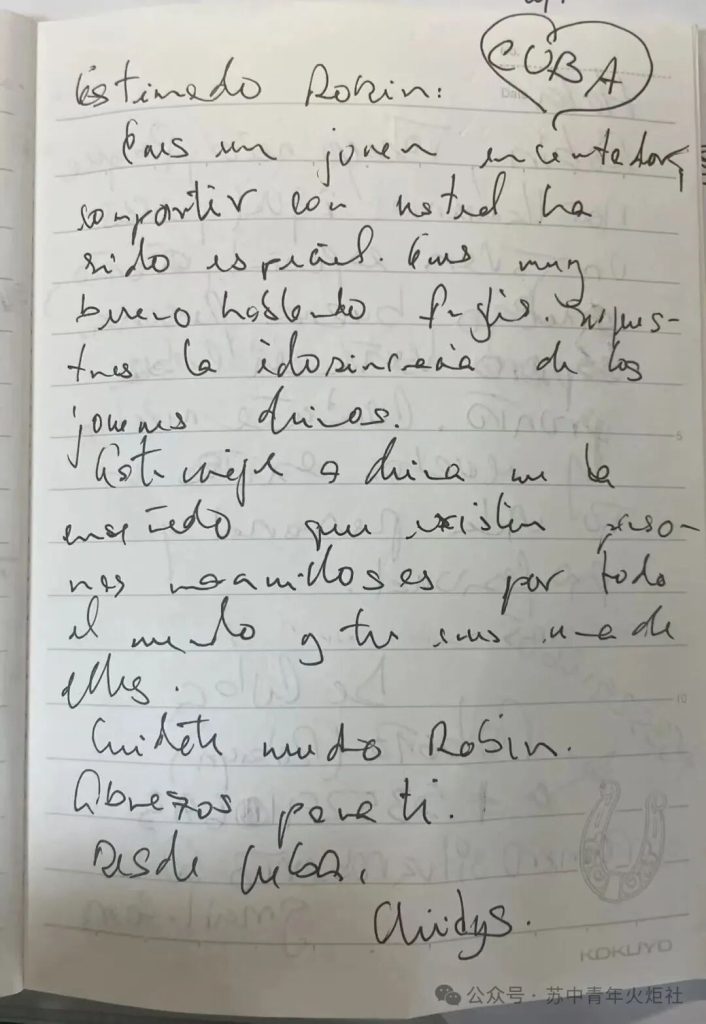
Dear Robin: (Cuba ❤️)
You are a very charming young man, and spending time with you was a very special experience. You are very talented at photography, and you embody the unique spirit and individuality of China’s young generation today.
This trip to China made me realize that there are wonderful and kind people everywhere in the world, and you are one of them.
Take good care of yourself, Robin. Sending you a big hug.
From Cuba,
Alidis
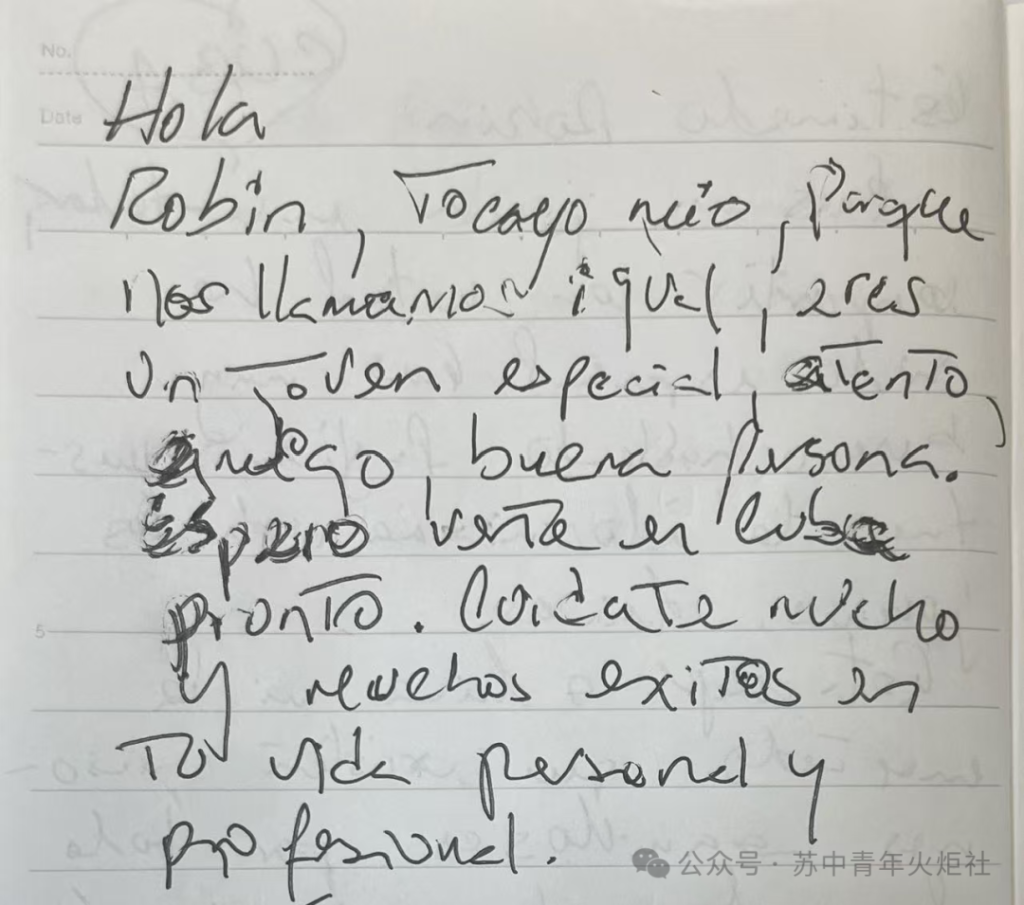
Because we have exactly the same name! You are a very special, thoughtful, loyal, and kind young man. I hope to see you in Cuba soon. Take good care of yourself, and I wish you tremendous success in both your personal life and your career.
From Cuba,
Roberto