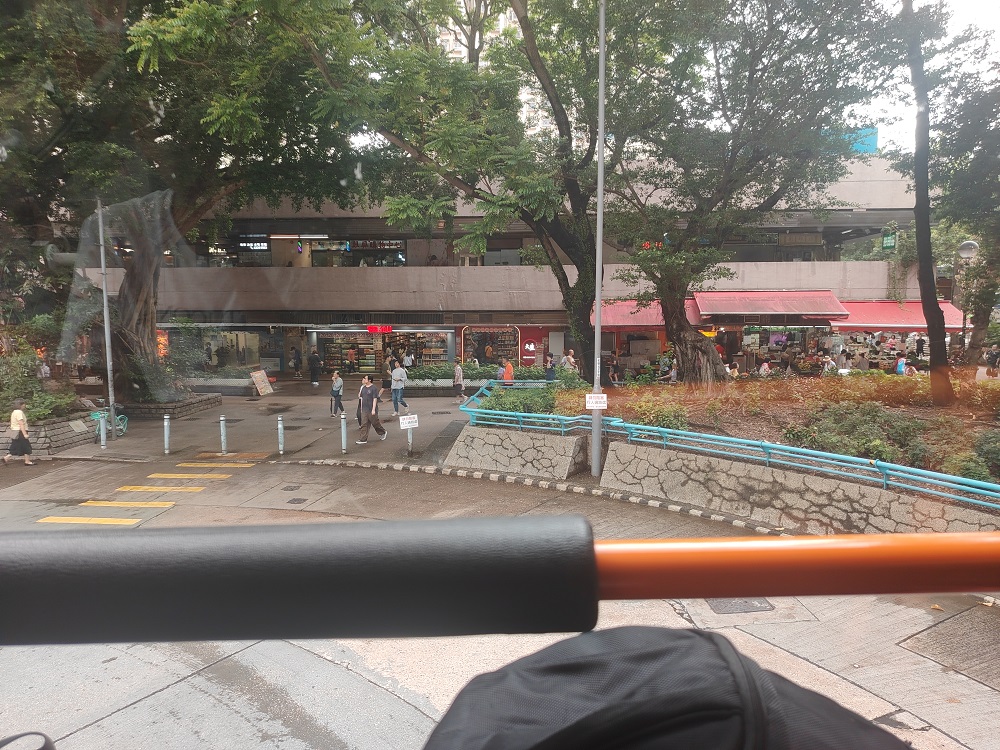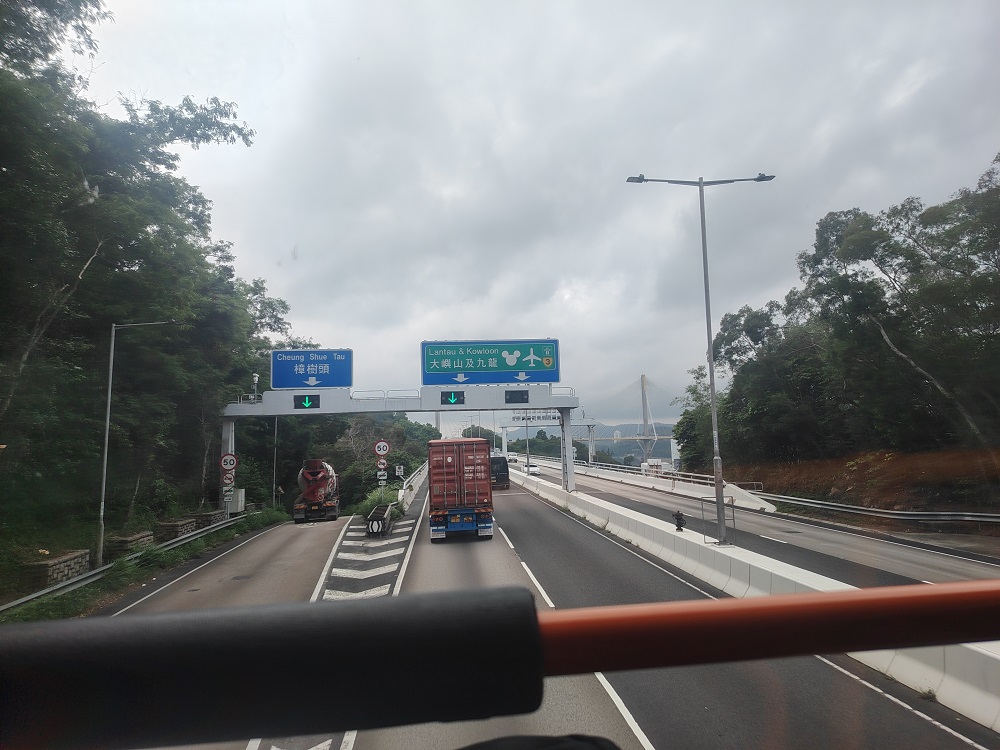
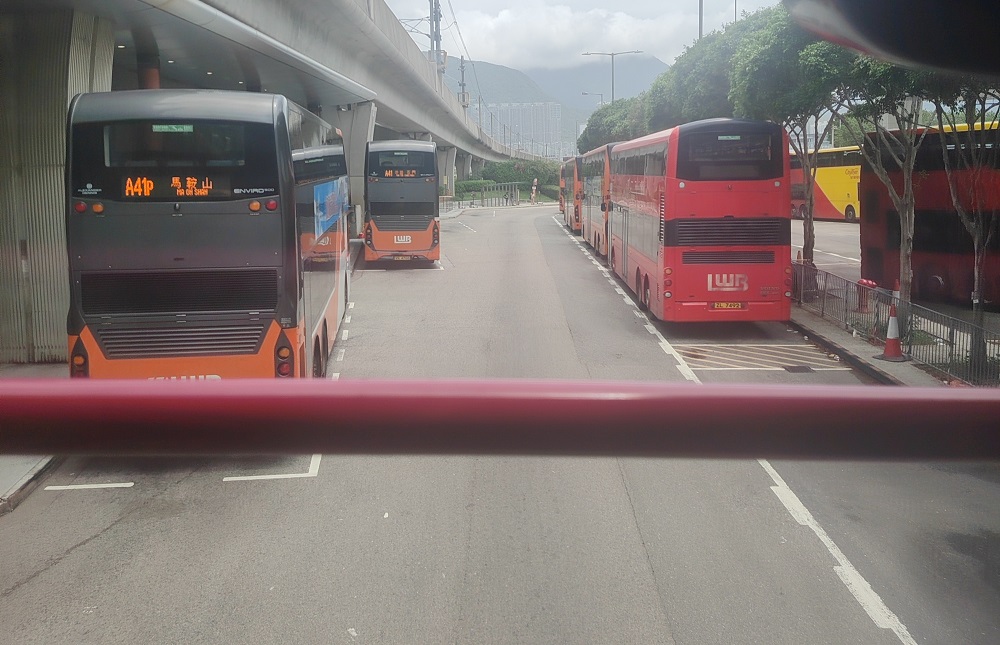
 Because the steering wheel is on the right side, the driving rules are opposite to those in the mainland.
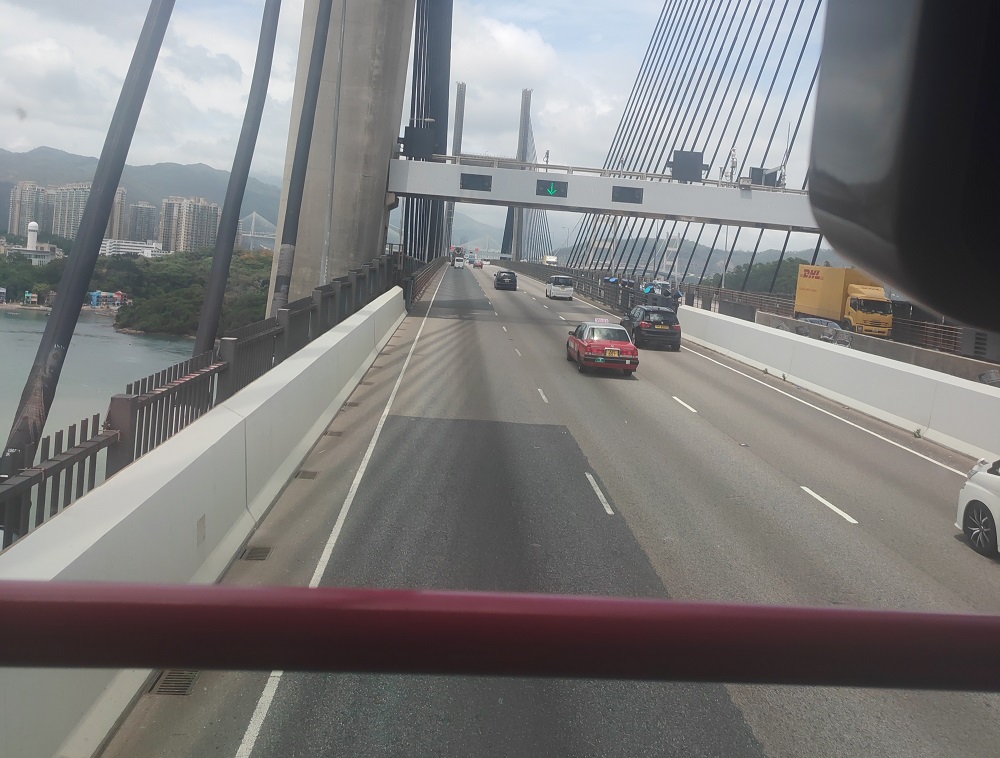
Leaving the airport, we first passed by the cargo terminal. A lot of domestic goods for export are transshipped through Shenzhen to Hong Kong, and then shipped to the world from here.
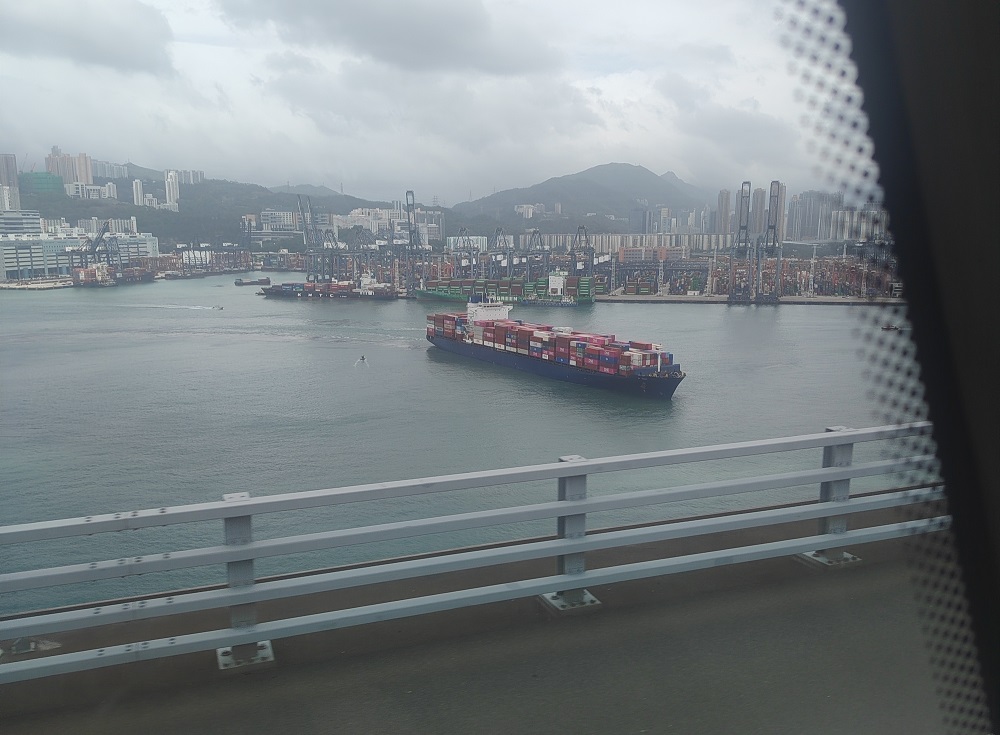
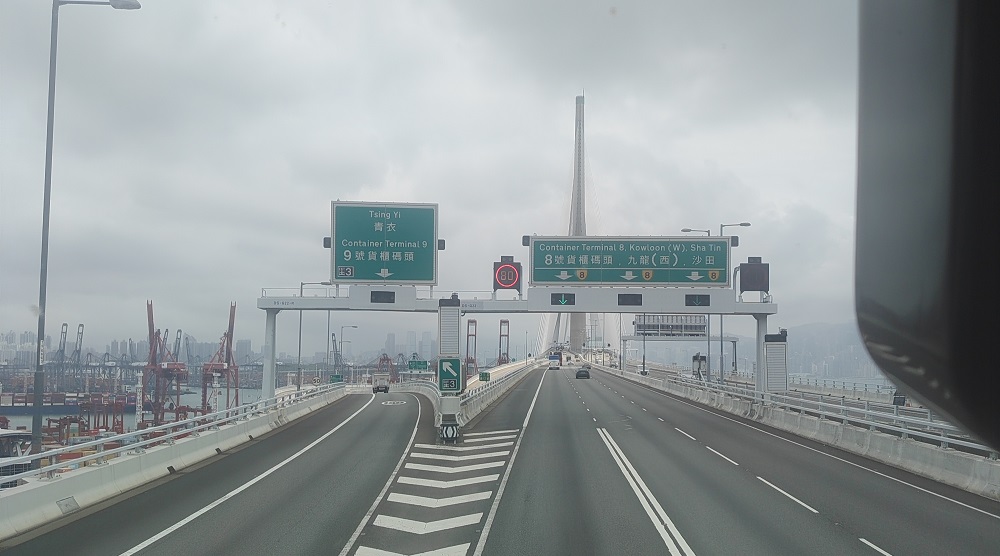 Cargo Terminals 8 and 9 were stacked high with containers. Giant vessels fully loaded with shipping containers.
 Passing the cargo terminals, we entered Tsing Yi, where we began to feel the overwhelming density of soaring skyscrapers.
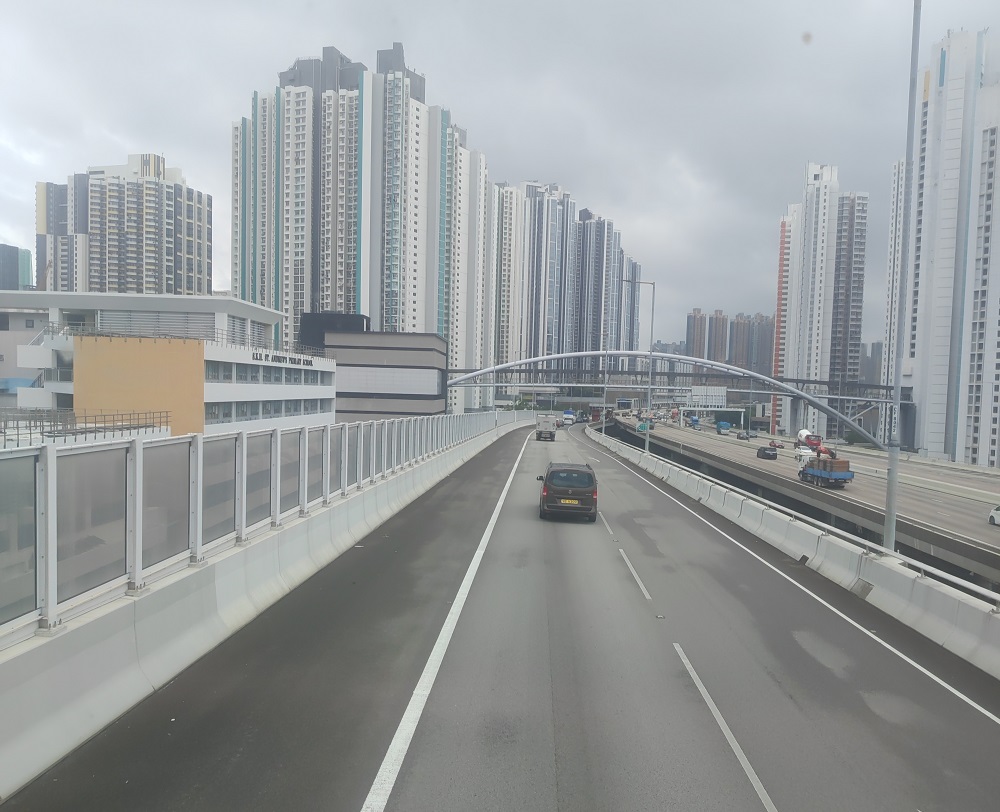 After Tsing Yi, we soon entered Kowloon. The classic red Toyota taxis here are quite old models, yet they are incredibly well-maintained.
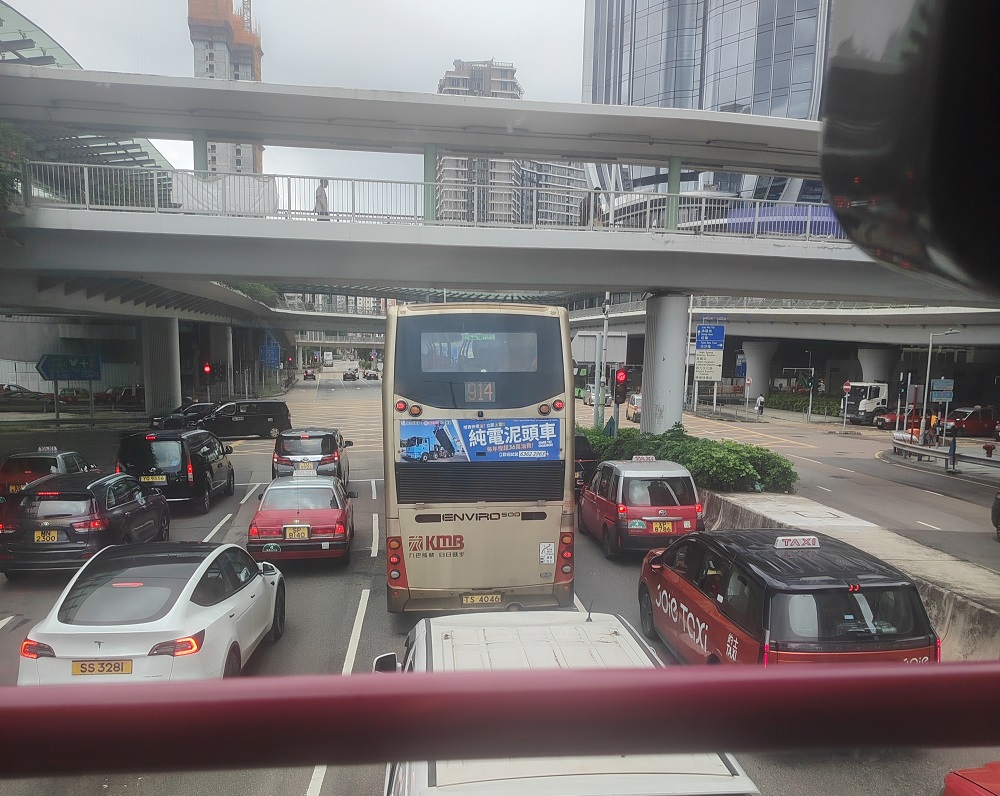
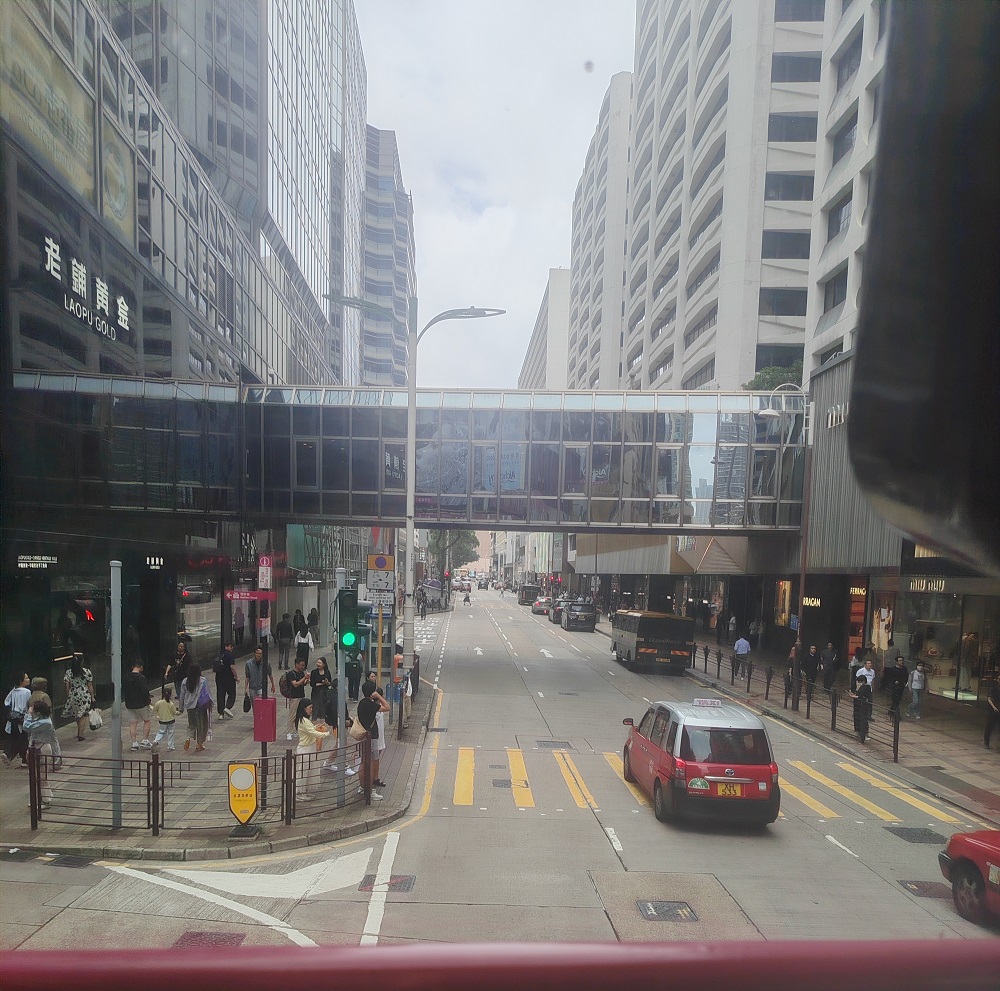
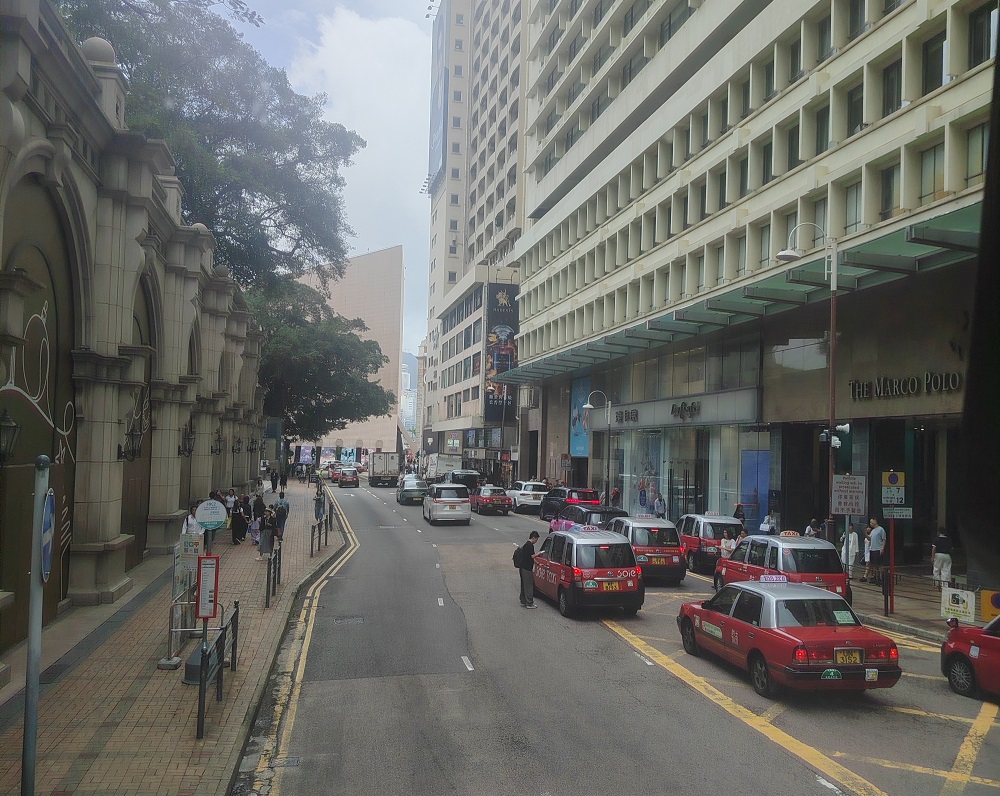
YMCA
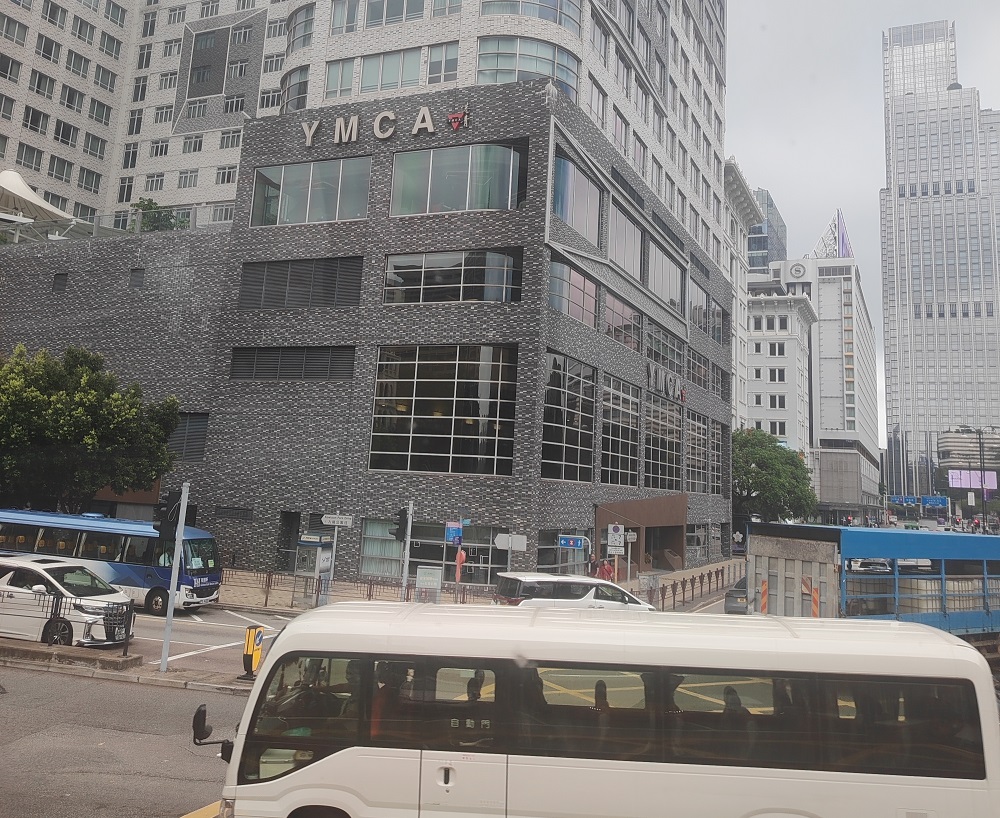
The apartments are extremely compact and carry the weight of time, but that doesn’t affect their value. They are just expensive, through and through.
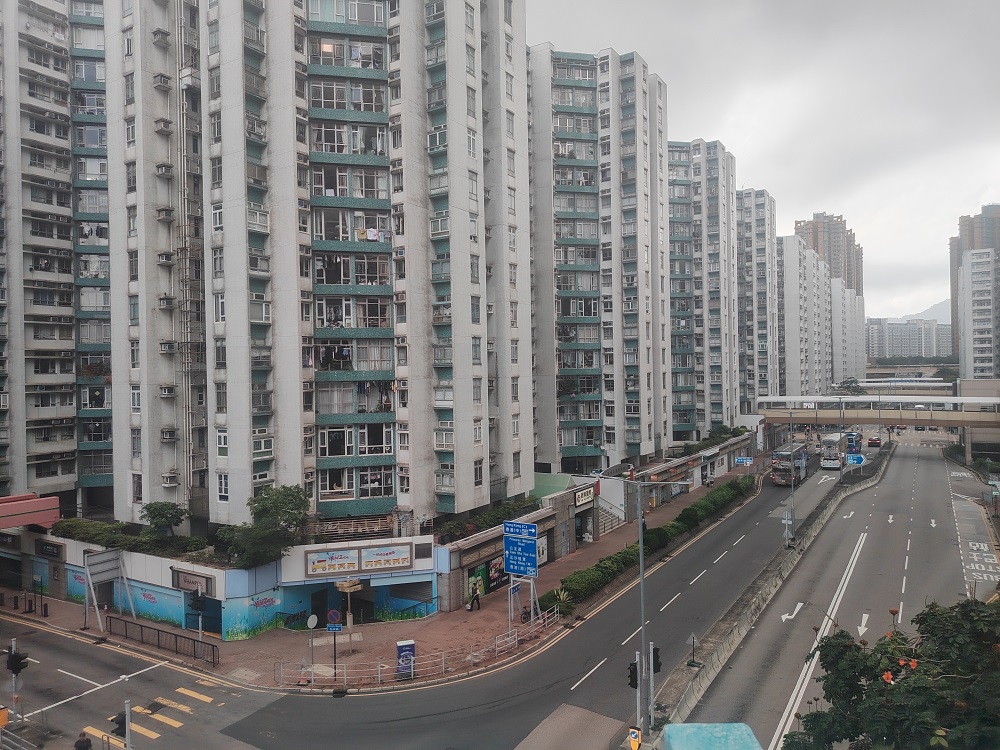
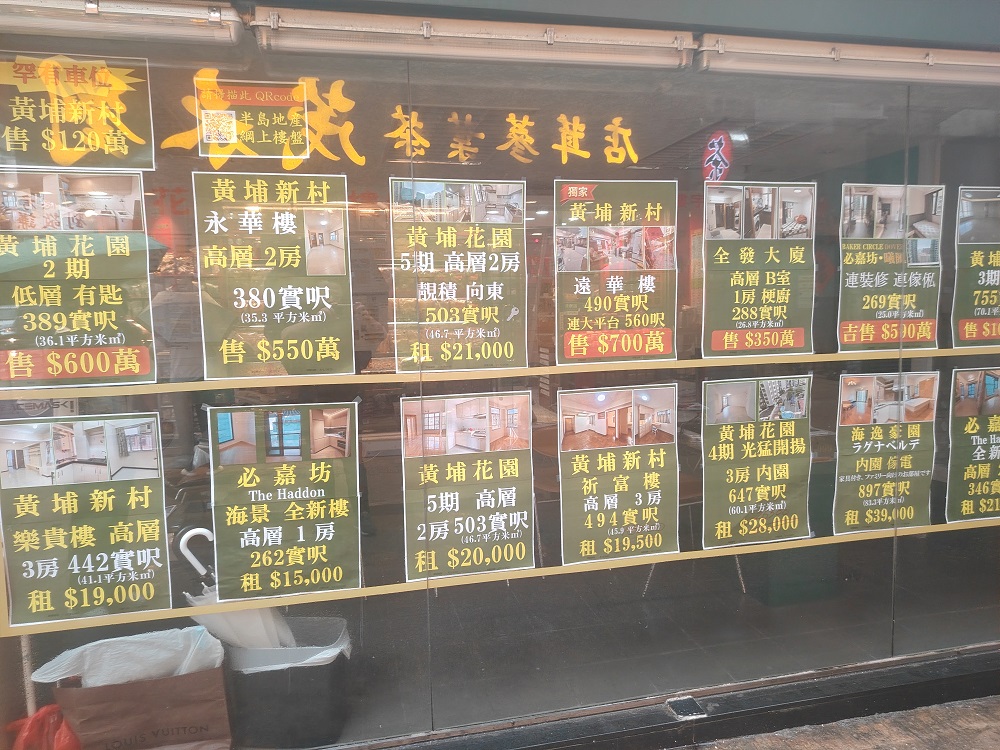
Take a photo a HK House Price😅
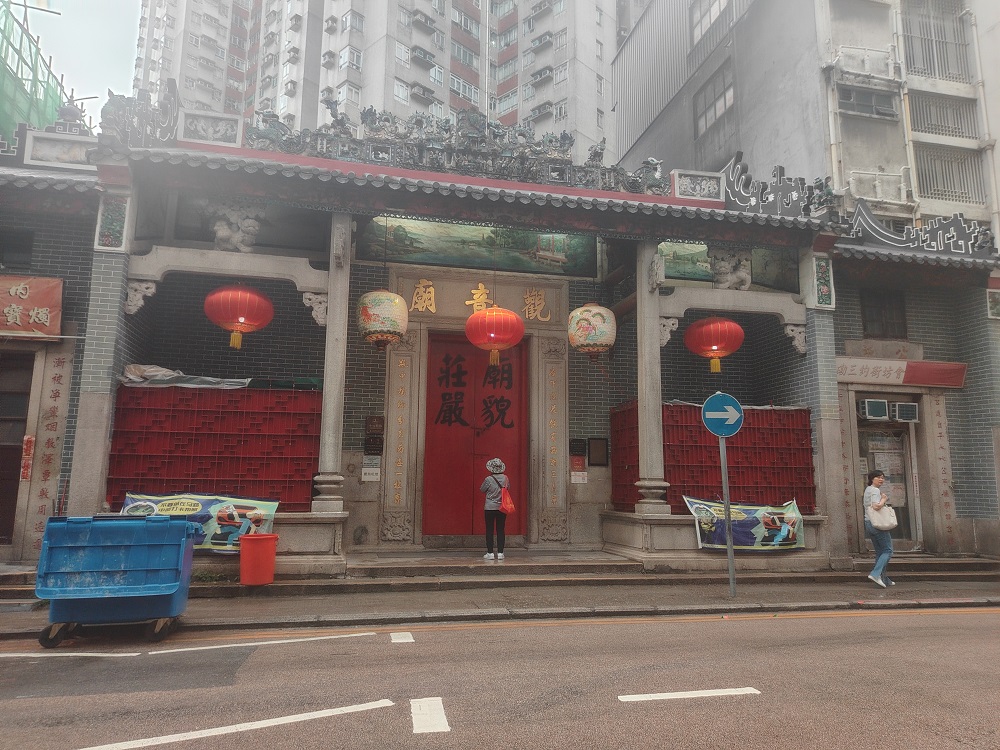
 A Guanyin shrine nestled in the bustling downtown. Most passersby bow as they walk past—it must be incredibly efficacious.
 A shopping mall. I wonder if the design of the LV building in Shanghai was also inspired by something similar.
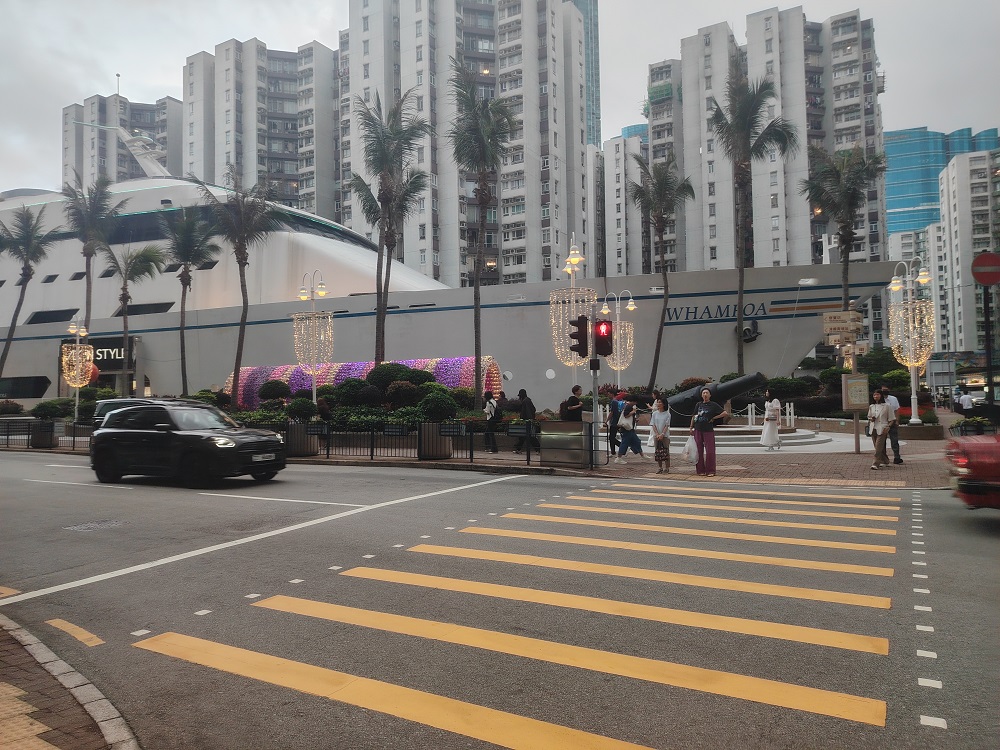
By the way, it feels like there are no cameras or surveillance systems at Hong Kong’s intersections.
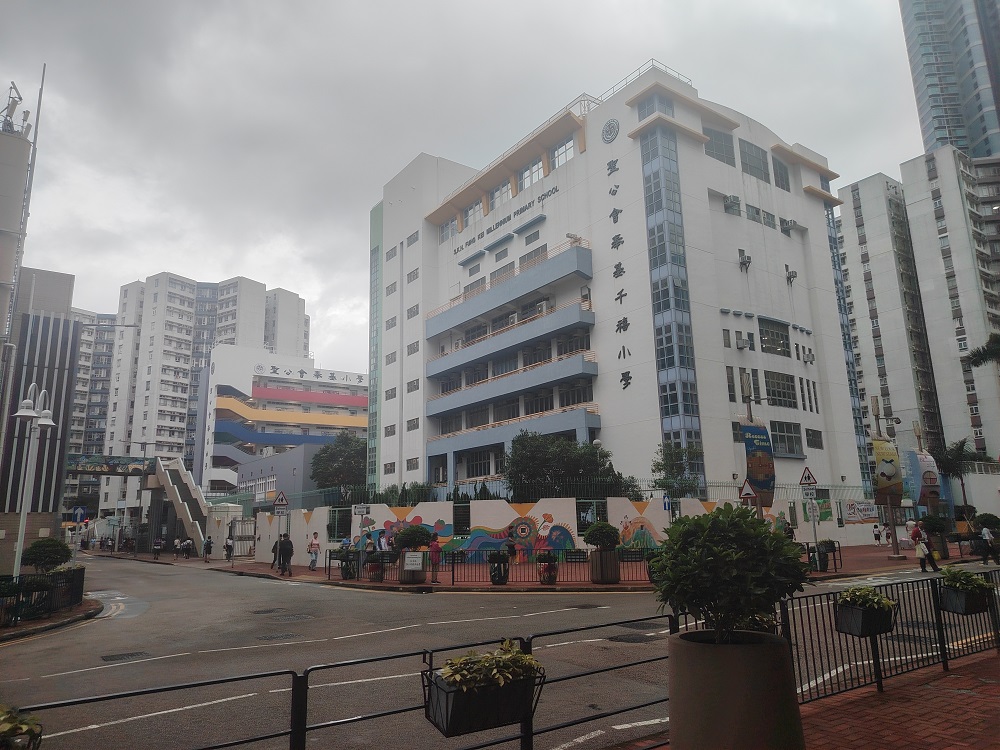
A Christian primary school—a testament to educational diversity.
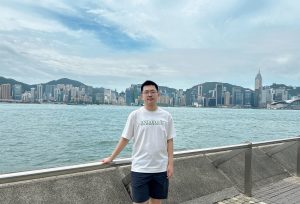
Victoria Harbour right next to the hotel.
Checked in at the HKSAR Government Headquarters and the PLA Hong Kong Garrison Headquarters, and savored authentic Hong Kong-style milk tea right beneath the government building.
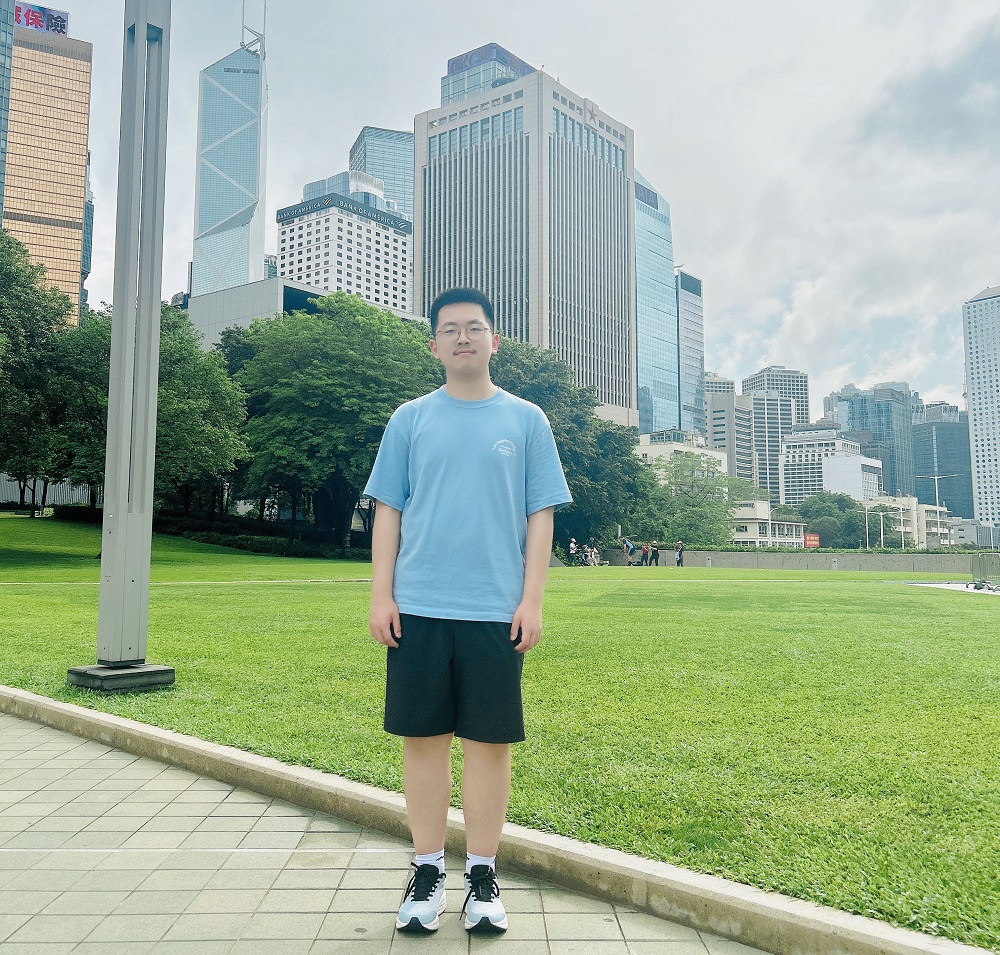
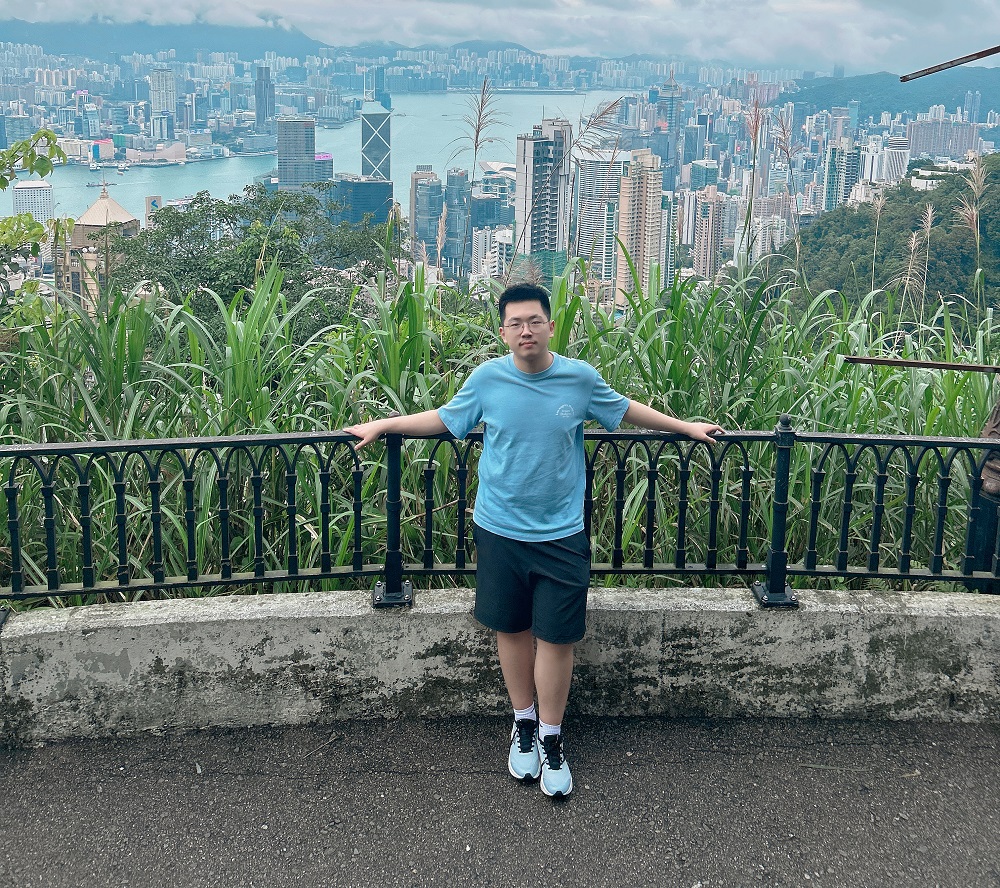
Passing by the HKSAR Government Headquarters and the vicinity of Pacific Place, we hopped on the No. 15 or 15X double-decker bus to head straight to the Victoria Peak. Captured the panoramic view and nightscape of Victoria Harbour from the Peak. Since it was still a bit early, the brilliant, blazing city lights weren’t fully lit yet, but the actual view was still spectacular. After all, it is one of the top three night views in the world.
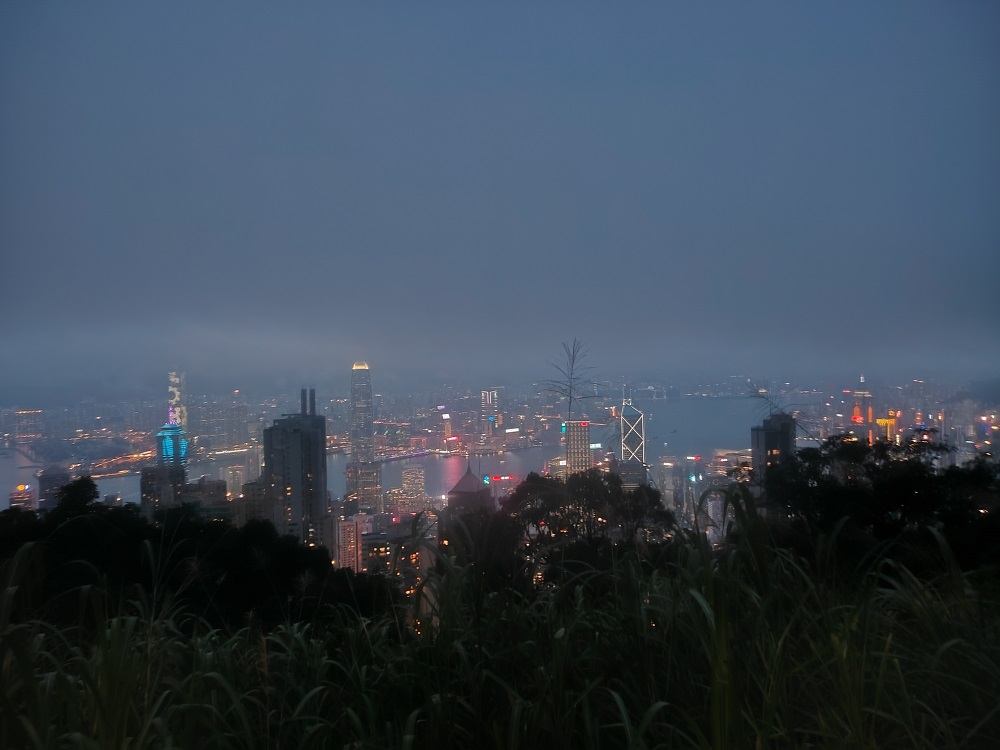
Victoria Harbour at night—real sea fishing.
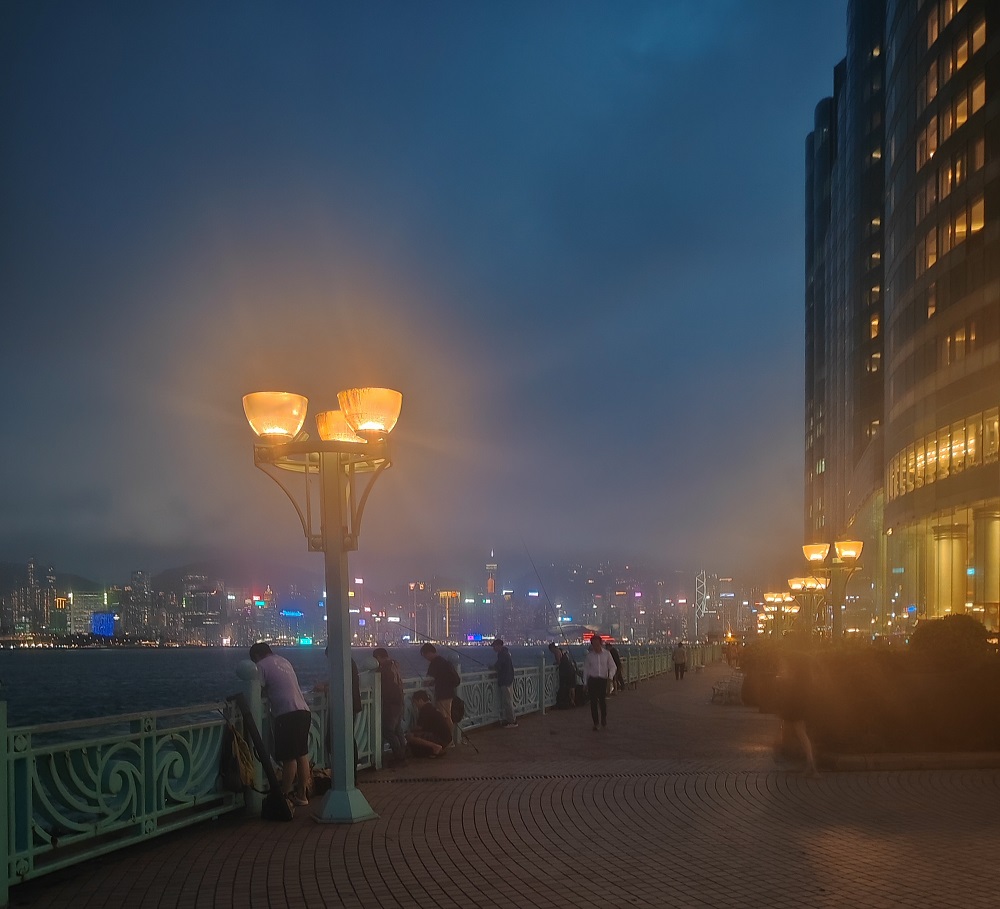
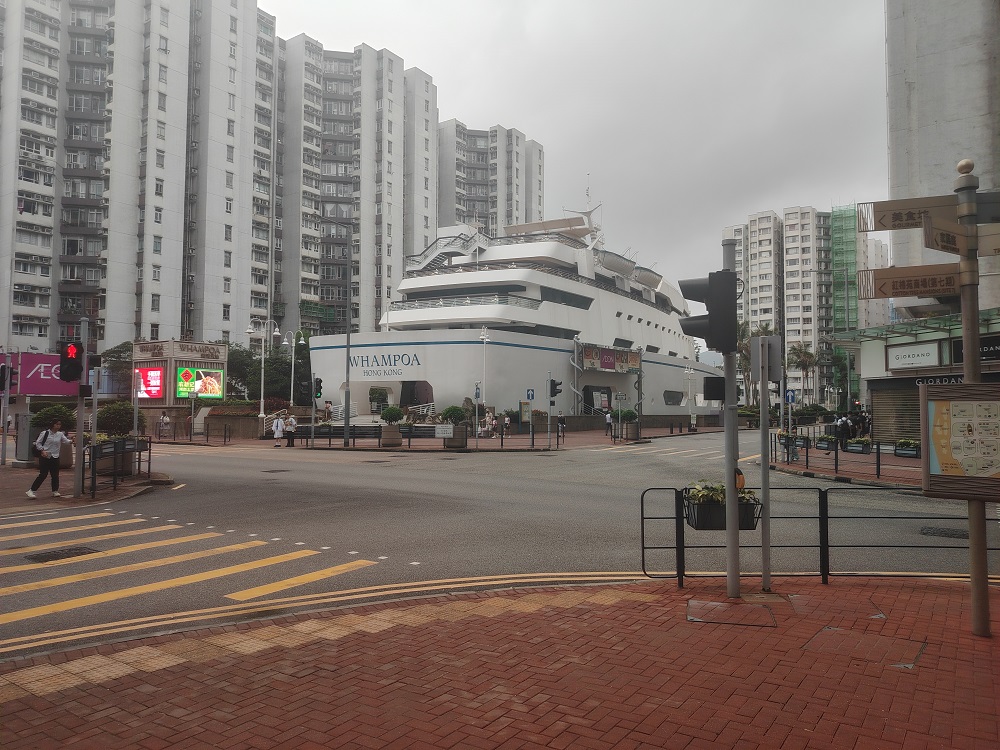
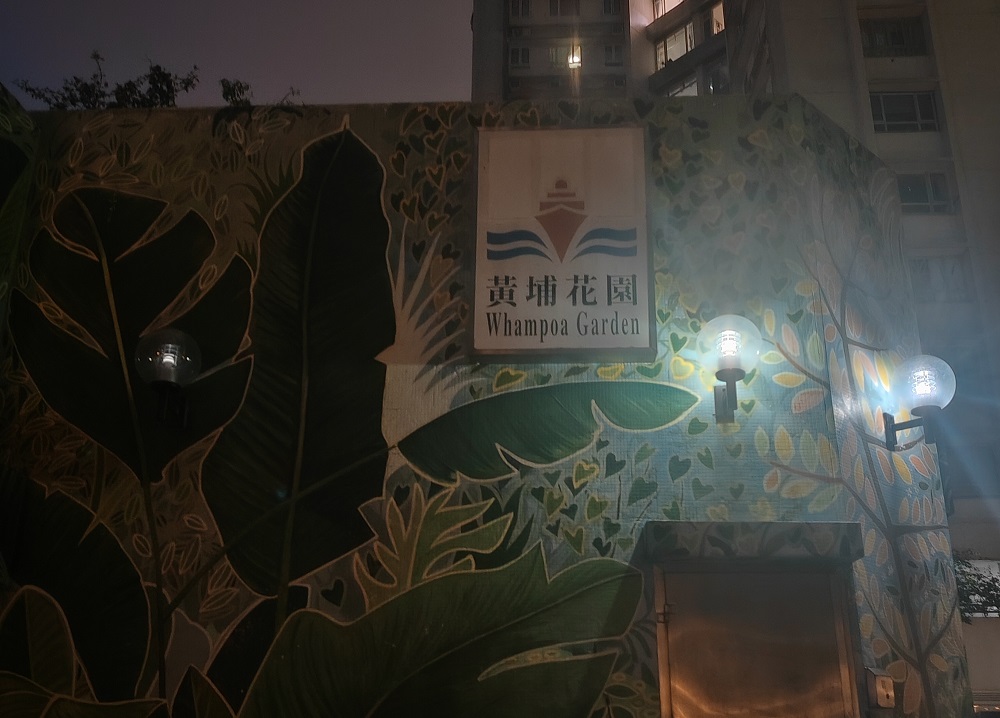
Whampoa Garden
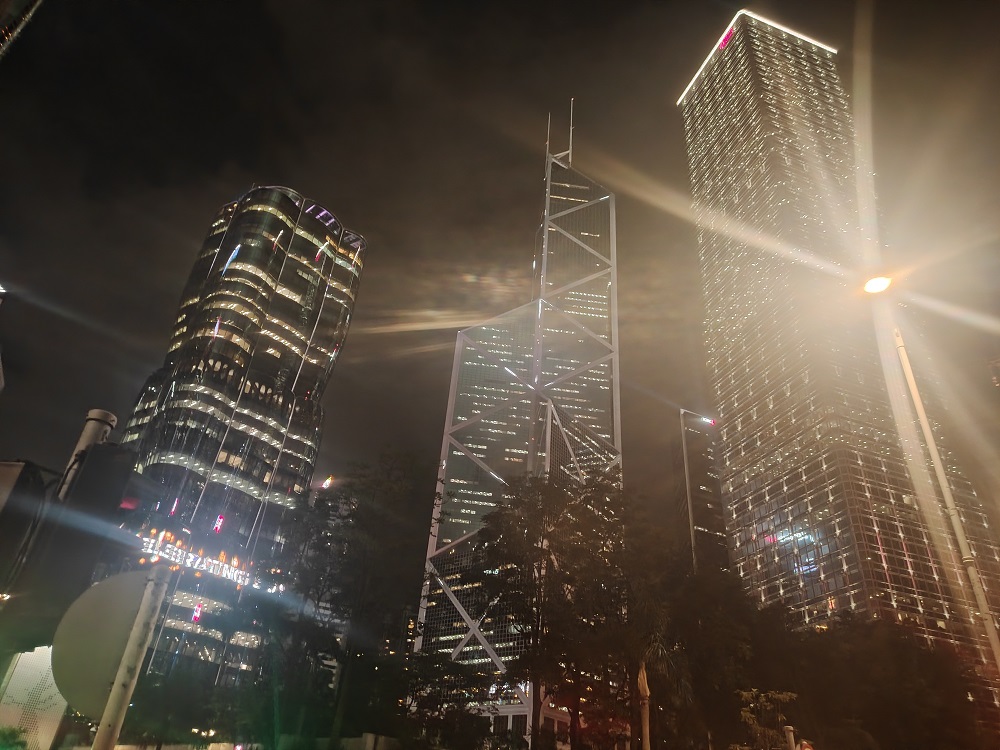
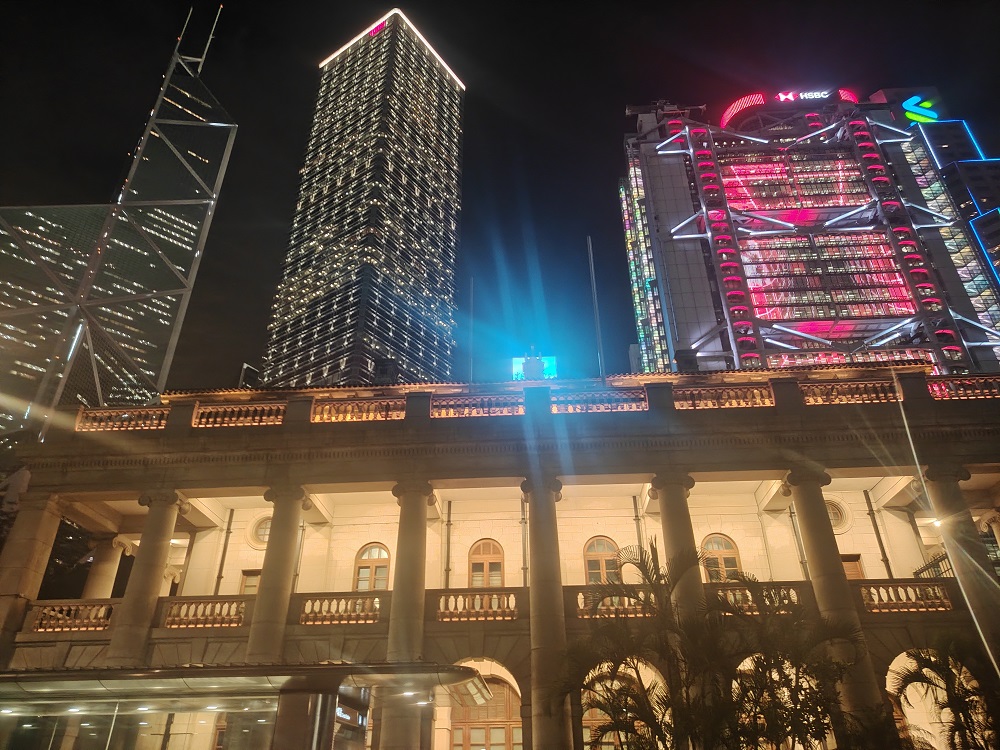
 Central at night—the Bank of China Tower and the Cheung Kong Center.
Day 2: Strolling along the Avenue of Stars. Right next to the hotel is the famous Hong Kong Coliseum (Hung Hom Stadium)—the ultimate hotspot where concerts gather in Hong Kong.
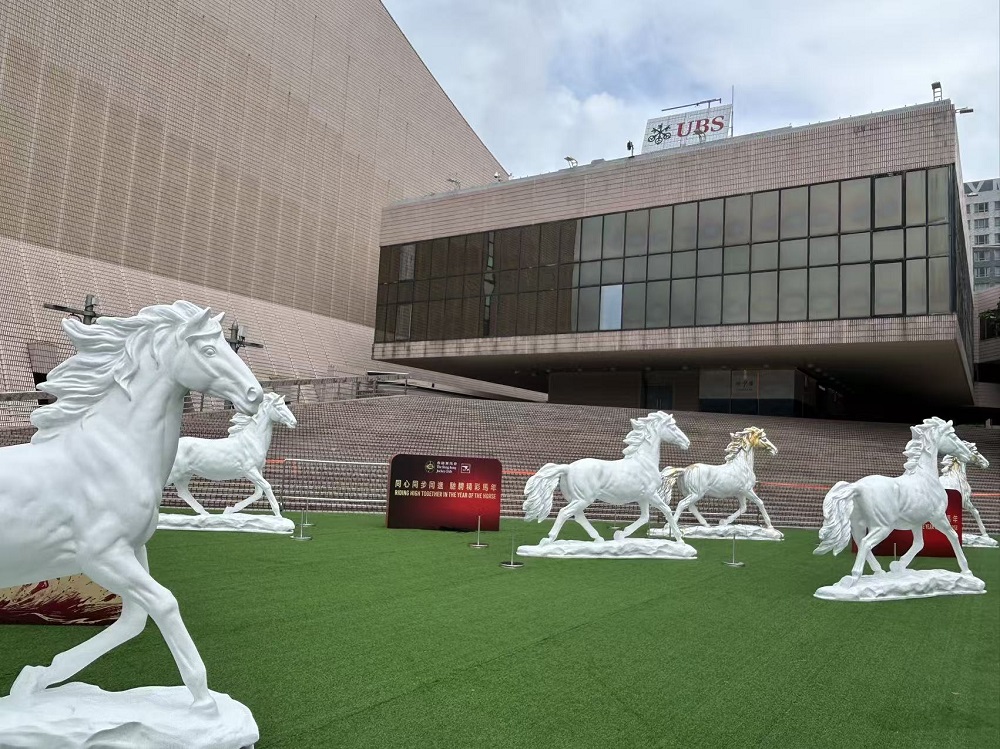
The horse statues displayed along the Avenue of Stars are likely due to the Year of the Horse.
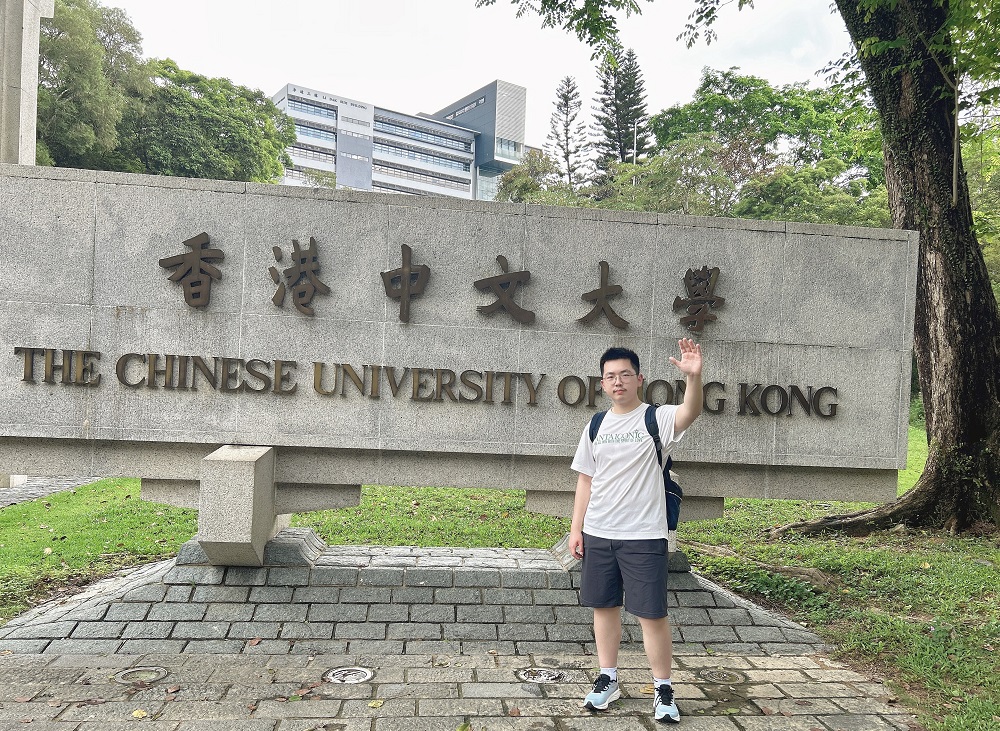
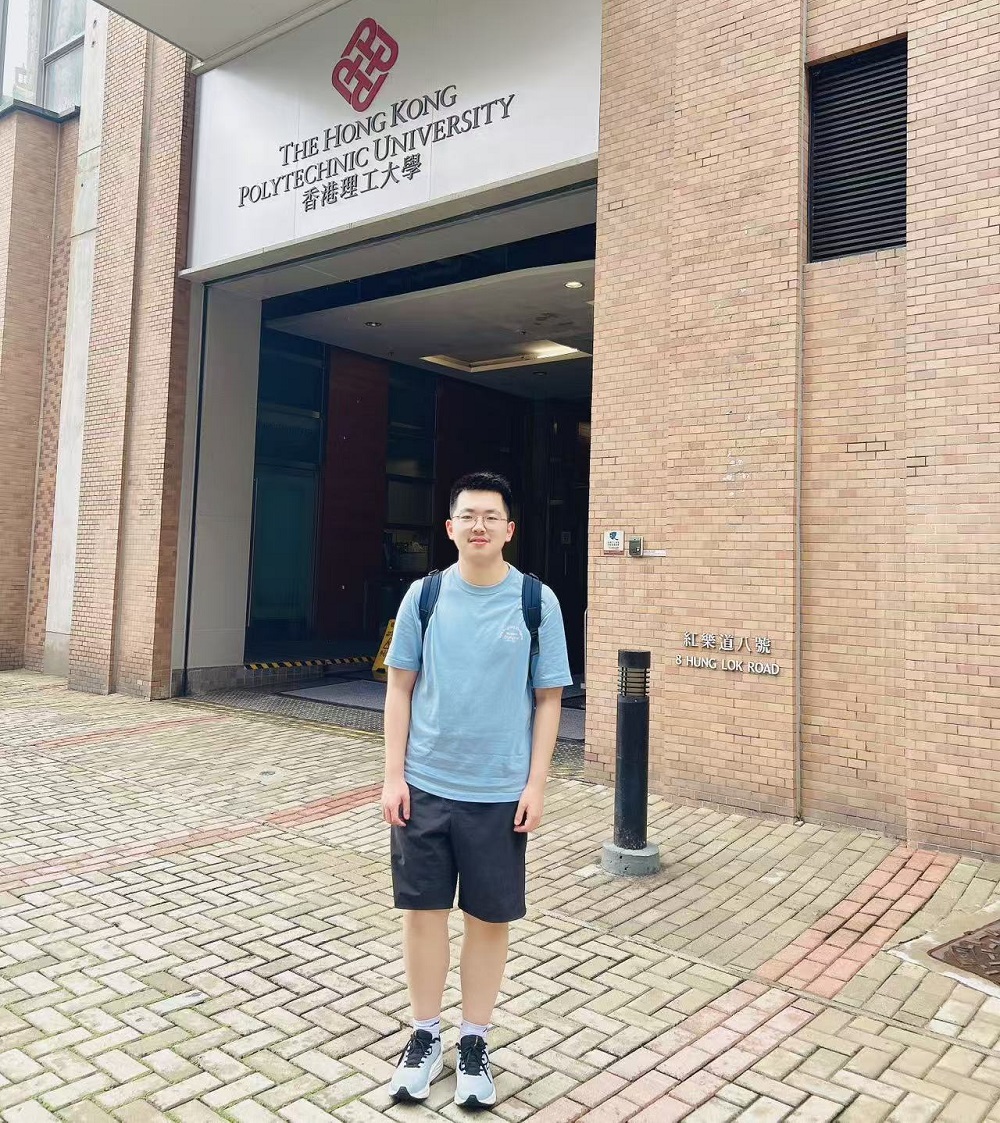
Dropped by PolyU and CUHK along the way. PolyU is located right next to the Hung Hom Stadium—nestled close to Victoria Harbour in the heart of the city, featuring a classic British-style red-brick architectural design.
CUHK is situated in the northeastern corner of Hong Kong, remarkably close to Shenzhen—just two MTR stops away from Lo Wu. People often say, “Study in Hong Kong, live in Shenzhen,” and they are specifically referring to CUHK.The entire campus is built on a hillside. Stepping off the MTR at University Station, you find yourself at the lowest point, and from there, it’s a non-stop uphill climb. It is a real leg-killer! Basically, besides gaining knowledge, attending classes here guarantees a great workout and weight-loss effect. As for HKU, since I had already visited it before, this was my second time around, so I didn’t take any photos.Touring these three universities, my overall impression was that the student population is quite large, predominantly consisting of mainland and local Hong Kong students. In terms of daily life and communication, there is virtually no barrier, with Cantonese and Mandarin being the main languages spoken. Of course, I did overhear some conversations in English, though not very often. However, it’s worth noting that all official lectures are conducted entirely in English.