Shanxi is a place where cultural relics and natural wonders coexist, serving as an important cradle of Chinese civilization.
I. Cultural and Historical Sites
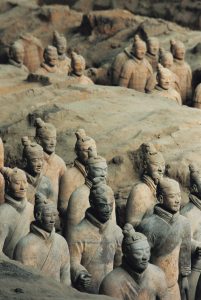
Emperor Qinshihuang’s Mausoleum Terracotta Army (Lintong, Xi’an): The Eighth Wonder of the World, a magnificent military formation of terracotta warriors and horses from the Qin Dynasty, each with a unique facial expression.
Xi’an City Wall: The largest and best-preserved ancient city wall in China, where visitors can cycle around the entire circumference.
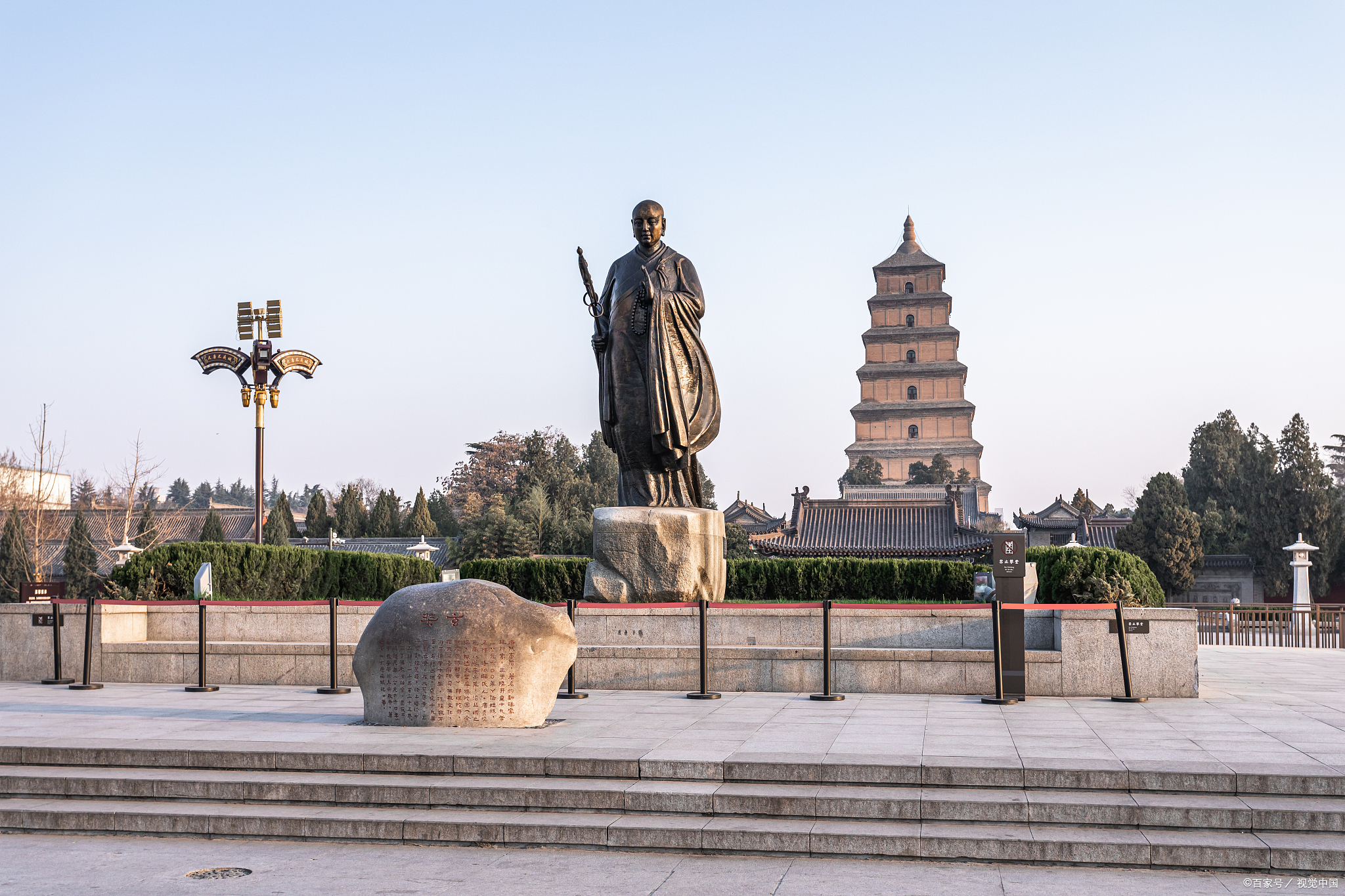
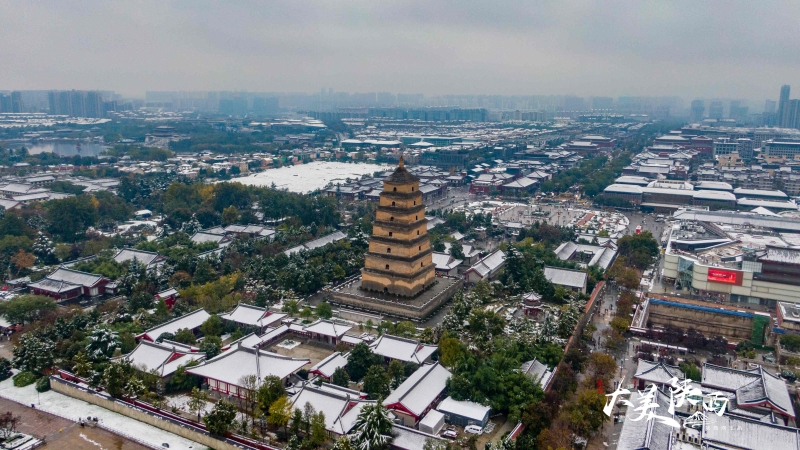
Great Wild Goose Pagoda: Where Xuanzang of the Tang Dynasty stored Buddhist scriptures; a symbol of the ancient capital Xi’an.
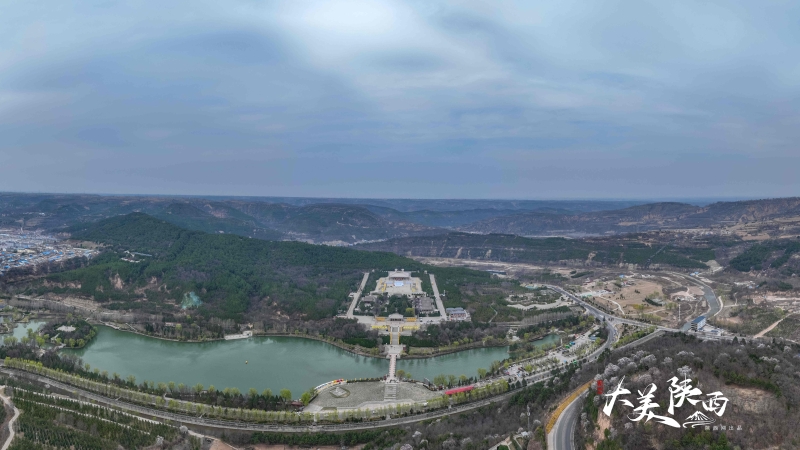
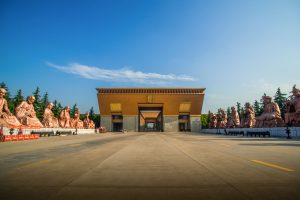
Mausoleum of the Yellow Emperor (Huangling, Yan’an): The mausoleum of Xuanyuan Huangdi, the ancestor of the Chinese nation, and a sacred site for ancestor worship.
Famen Temple (Fufeng, Baoji): Houses the Buddha’s finger relic; countless treasures of the Tang Dynasty were unearthed from its underground palace.
 II. Natural Scenery
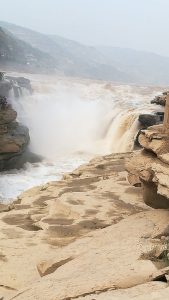
Huashan Mountain (Huayin, Weinan):The Western Mountain of the Five Great Mountains, known as the most precipitous mountain under heaven. Its famous sites such as the Plank Road in the Sky and Turning Back on a Kite are world-renowned. Hukou Waterfall (Yichuan, Yan’an):The world’s largest yellow waterfall, where the Yellow River surges violently with towering turbid waves.
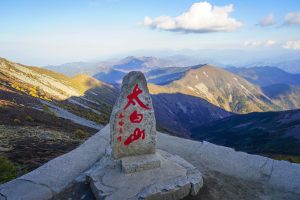
Mount Taibai (Meixian, Baoji): The main peak of the Qinling Mountains, with snow covering its summit all year round, featuring the marvelous spectacle of “experiencing four seasons in a single day”.
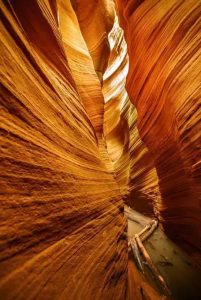
 Yucha Grand Canyon (Ganquan, Yan’an): A geological wonder on the Loess Plateau with dreamlike light and shadow, comparable to Antelope Canyon in the United States.