
Youth Torch is a student-led public media platform established by a group of high school students. Focusing on psychology, social life, and youth development, we share social initiatives, interview projects, community engagement activities, and our observations on contemporary social issues. Our goal is to encourage understanding, connection, and meaningful dialogue among young people.
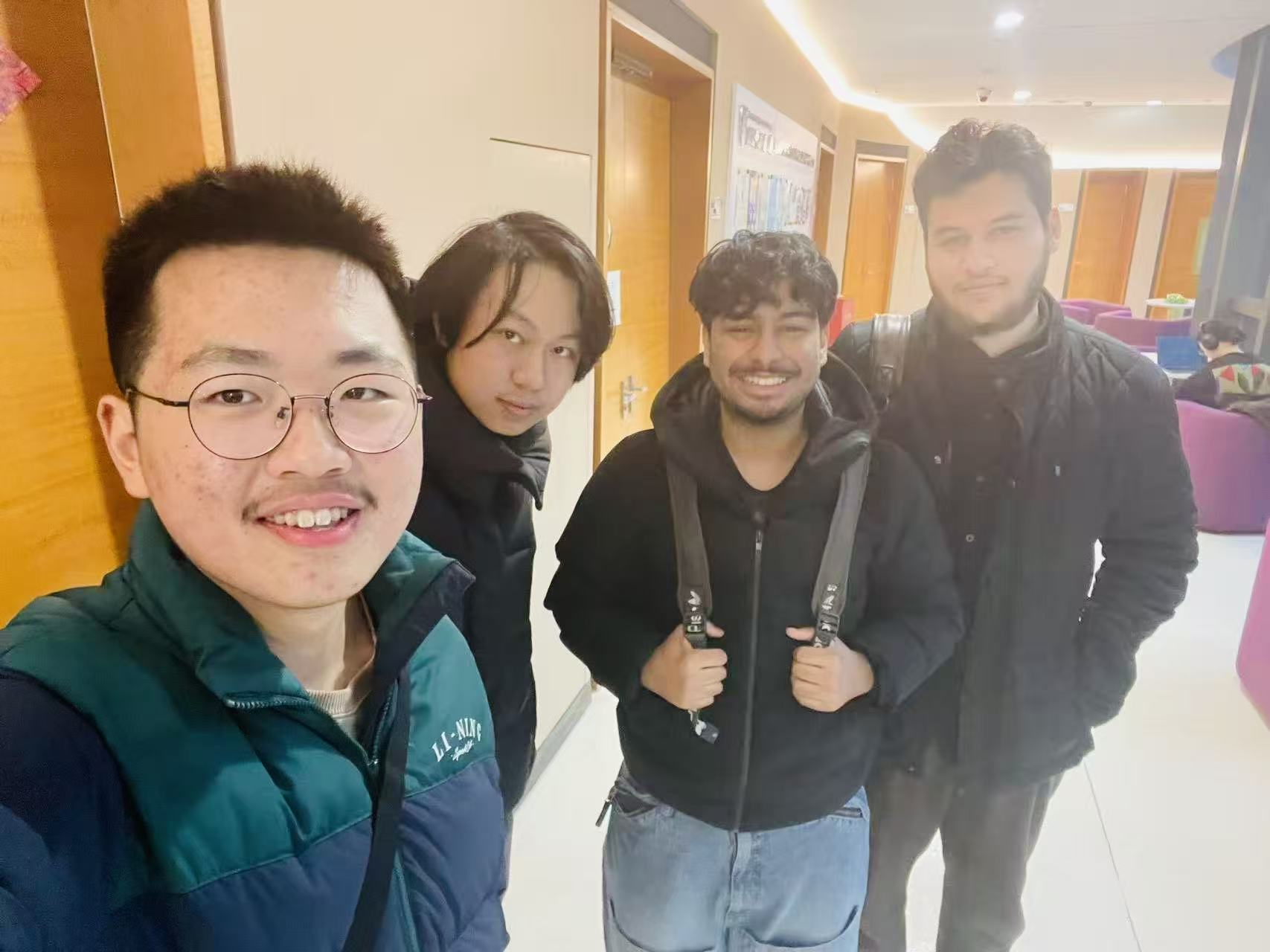
Last July, we launched the first “Human Echoes: Searching for Loneliness” interview project at Xi’an Jiaotong-Liverpool University, which received positive feedback and generated meaningful discussions. This year, we continued the project by interviewing several newly arrived international students and two professors. They came from the United Kingdom, France, Mexico, Palestine, Canada, and Australia. We explored how they experienced feelings of loneliness in a new environment and what strategies they used to adapt to their new academic and social lives.
I gained valuable insights and many unexpected lessons from their responses. You can watch the six full interview videos through the link on my profile.
After interviewing twelve international students and faculty members studying or teaching in different fields—including Chinese Studies, Management, International Business, and English for Academic Learning Support (ELAS)—I noticed several common patterns that I would like to share:
1. Most of the interviewees were outgoing and good at communication.
They were comfortable initiating conversations and building direct connections in English. This openness was one of the main reasons they were able to maintain a positive and welcoming attitude while living in China.
2. Most of them did not feel particularly lonely in China.
Many had friendship circles from their own countries, were willing to embrace Chinese culture, and had learned at least a little Chinese, which helped them integrate into daily life.
3. Different cultures have different ways of coping with loneliness.
In the UK, some people enjoy going out for drinks and social gatherings. Similar habits were mentioned by participants from France. In Australia, people often engage in sports and outdoor activities, especially team sports. Several interviewees also mentioned that social media helps them stay connected and reduces feelings of loneliness.
4. Language barriers can limit social interaction, but they are not impossible to overcome.
Being extroverted, maintaining a positive attitude, and actively engaging with others can help people make friends, build meaningful relationships, and reduce loneliness both on campus and in society.
5. Many international students use their real names and personal photos on WeChat.
This sincere and transparent approach to social networking often helps them establish trust and build connections more easily, benefiting both their studies and daily lives.
After establishing these connections, we hope to create a “virtual community” through online group interactions and offline activities. Our goal is to help international students and exchange students at Xi’an Jiaotong-Liverpool University make more friends during their year abroad, reduce feelings of loneliness, gain a deeper understanding of China, connect more closely with Chinese culture, and ultimately develop a stronger appreciation for the country.