
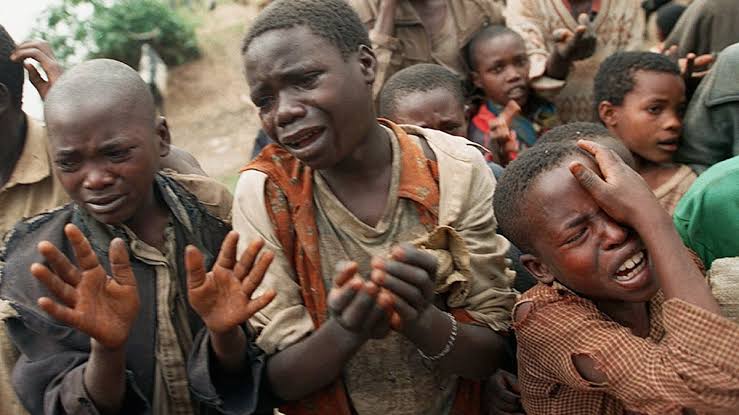
The decision to postpone the recognition of genocide in Rwanda could arguably be correct.
Firstly, announcing a genocide worldwide would cause more forces entangling into the already sophisticated
situation. The conflicts between Rwanda Armed Forces (RAF), Interahamwe and Tutsi rebels had turned
Rwanda into hell and a massive killing squad. It could be foreseen that United Nations would no longer play
the role as peacemakers but instead punish killers with any method – eliminating Interahamwe on the behalf
of a genocide, causing more unrest and mortality. Western countries may control the whole country at the
cost of Rwanda people’s freedom. The war would last for decades as multiple troops want different benefits.
Secondly, the report of genocide may even accelerate the process of annihilation. The Interahamwe aimed
to murder all the Tutsis at a horribly quick rate. They even skipped the procedure of expulsion and started
murdering immediately. The announcement may provoke stronger anger and nationalism among Hutu
powers, especially for George, the leader of Interahamwe. Possibly they would try to eliminate all the Tutsis
before other forces arrived. In real history, 800 thousand of people were murdered in 8 days. The
consequences of announcing the genocide would be more horrible and the damage could not be
estimated.
Charles Yang, Co-founder of Youth Torch